
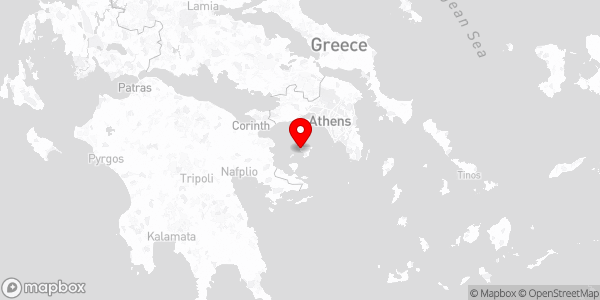
Aegina stands as one of the most historically compelling islands in the Saronic Gulf, anchored just 27 kilometers southwest of Piraeus. Characterized by its vibrant, crescent-shaped harbor and low-slung neoclassical buildings painted in soft pastel hues, the island’s waterfront serves as a lively threshold where maritime tradition meets a deeply rooted Mediterranean heritage.
Beneath this bustling waterfront, the exceptional clarity of the Saronic Gulf reveals the shifting turquoise and deep azure tones of the seabed. Yet, this living postcard carries a monumental history: between 1827 and 1829, this sheltered island served as the provisional capital of the emerging Greek state. Here, Ioannis Kapodistrias took office as its inaugural governor, the country’s first sovereign currency—the Phoenix—was minted, and its foundational institutions were established.
Beyond its political legacy, Aegina’s landscape is a diverse tapestry of rolling hills, ancient sanctuary, and agricultural pride. The island is world-renowned for its unique variety of pistachios (Fistiki Aeginis), which thrive in the local climate and volcanic soil. Further inland, the majestic Temple of Aphaia stands as a masterpiece of late Archaic architecture, famously forming a remarkable geometric alignment of ancient sanctuaries with the Parthenon and the Temple of Hephaestus in Athens.
Today, Aegina retains a genuinely authentic character, perfectly balancing its historical weight with a relaxed, contemporary rhythm. Traditional fishing boats sway alongside modern yachts in the main port, while lively tavernas, cafes, and pistachio stalls line the promenade. It is a destination that feels both culturally monumental and beautifully unhurried, offering a timeless glimpse into Greek island life.
Aegina, Saronic Gulf, Greece
Equipment: DJI Mini 3 Drone
Capture Information:
Focal Length: 6.7 mm
Shutter Speed: 1/4000
Aperture: f/1.7
ISO: 100
Photo Taken: May 11, 2026
High resolution
Flickr Gallery