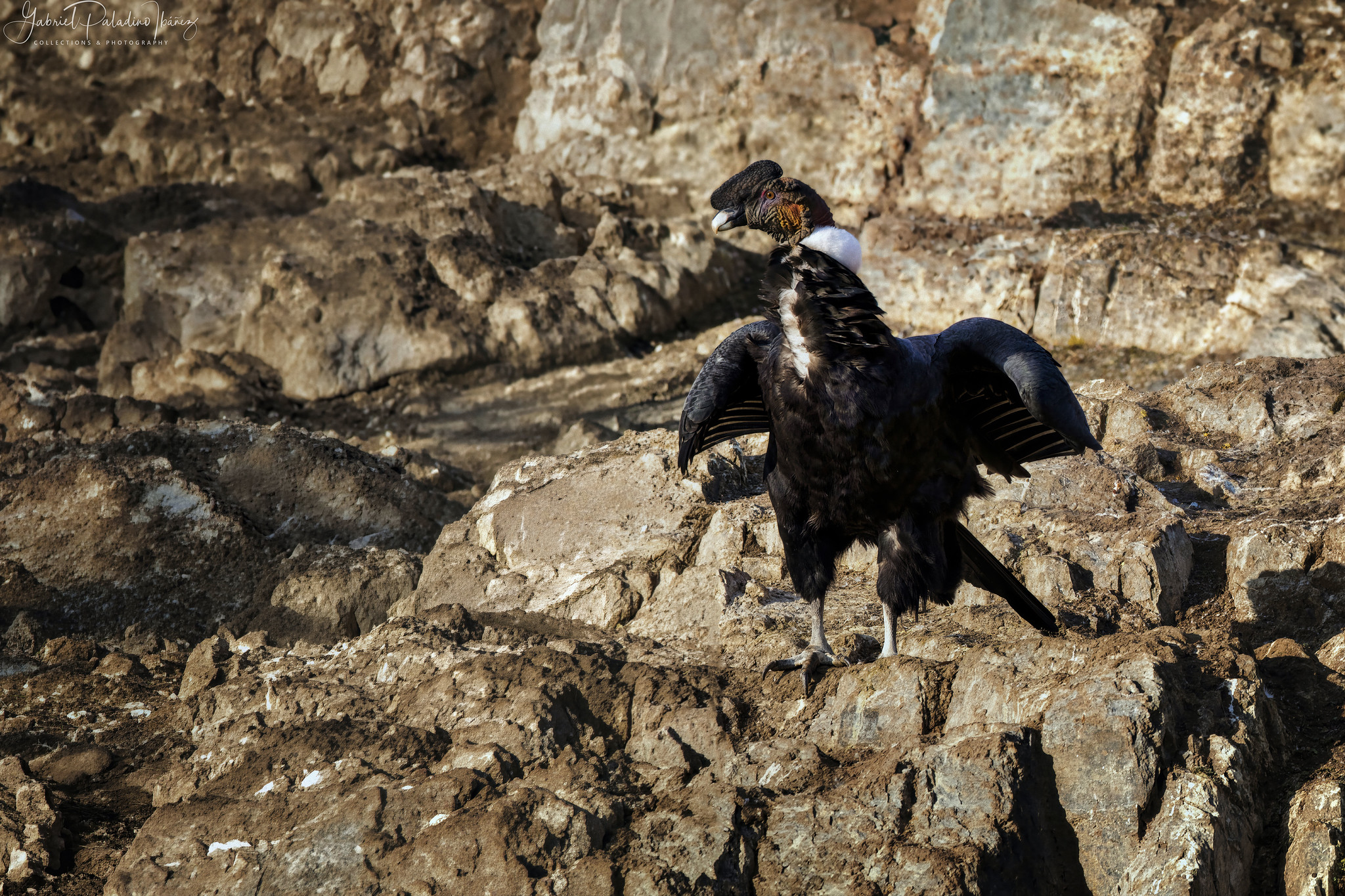
The Andean Condor (Vultur gryphus) is among the largest flying birds in the world, and the only New World vulture to show pronounced sexual dimorphism. Its range extends along the Andes from Venezuela and Colombia to Tierra del Fuego, descending to Pacific coastal cliffs in Peru and Chile to feed on marine carrion. Males weigh 11 to 15 kg and bear a fleshy head comb and neck wattle, absent in females, who weigh 7.5 to 11 kg. Body length is 100 to 130 cm, with a wingspan up to 3.2 m — the longest of any land bird. Plumage is black with a white neck ruff present in both sexes and, especially in males, large white patches on the wings. The iris of the male is typically brown, while the female’s is deep red. An obligate scavenger feeding mainly on large carrion, it raises a single chick every two to three years, with both parents caring for it for over a year. Classified as Vulnerable by the IUCN due to lead poisoning, intentional mass poisonings, and habitat loss.
• Cóndor andino
• Andean condor
Scientific classification:
Kingdom:Animalia
Phylum:Chordata
Class:Aves
Order:Accipitriformes
Family:Cathartidae
Genus:Vultur
Species:V. gryphus
Canal de Beagle, Ushuaia, Tierra del Fuego, Argentina
Photographic note: Taken from a moving boat, which made stable framing difficult. The rocky backdrop offers little separation from the subject due to shallow depth of field, and the bird’s pose — half-open wings, turned neck, ruffled feathers — wasn’t the classic, poised stance I would’ve hoped for.

Camera: Canon EOS 750D / Rebel T6i / Kiss X8i
Lens: Sigma 150-600mm F5-6.3 DG OS HSM | Contemporary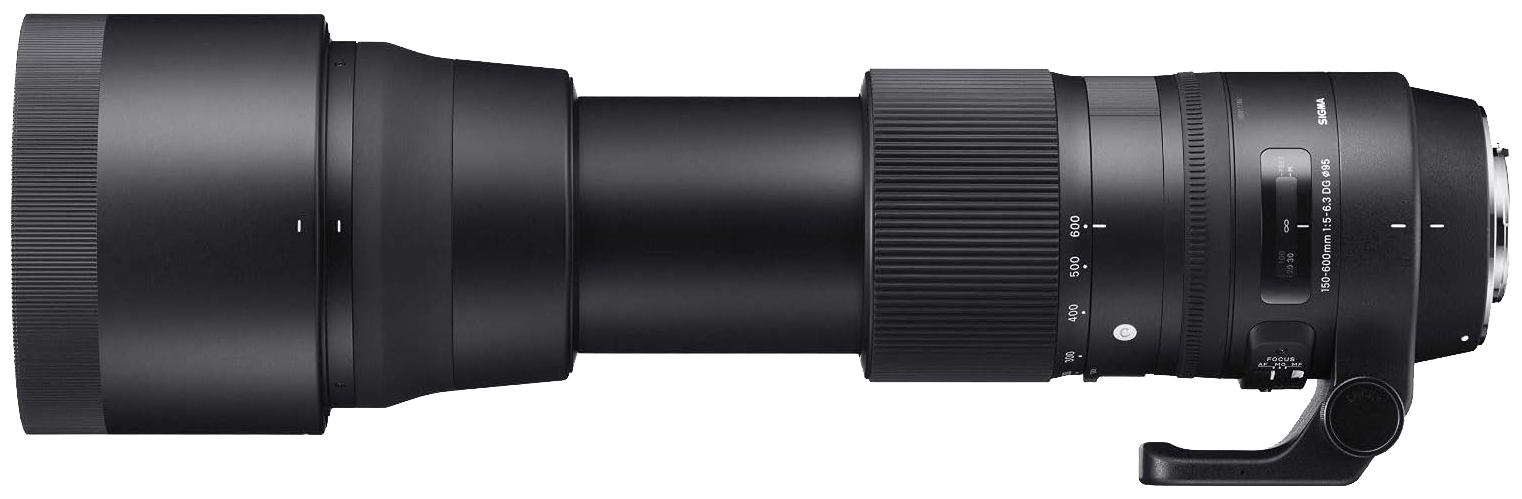
Capture Information:
Focal Length: 435.0 mm
Shutter Speed: 1/640
Aperture: f/9.0
ISO: 400
Photo Taken: April 20, 2022
High resolution
Flickr Gallery