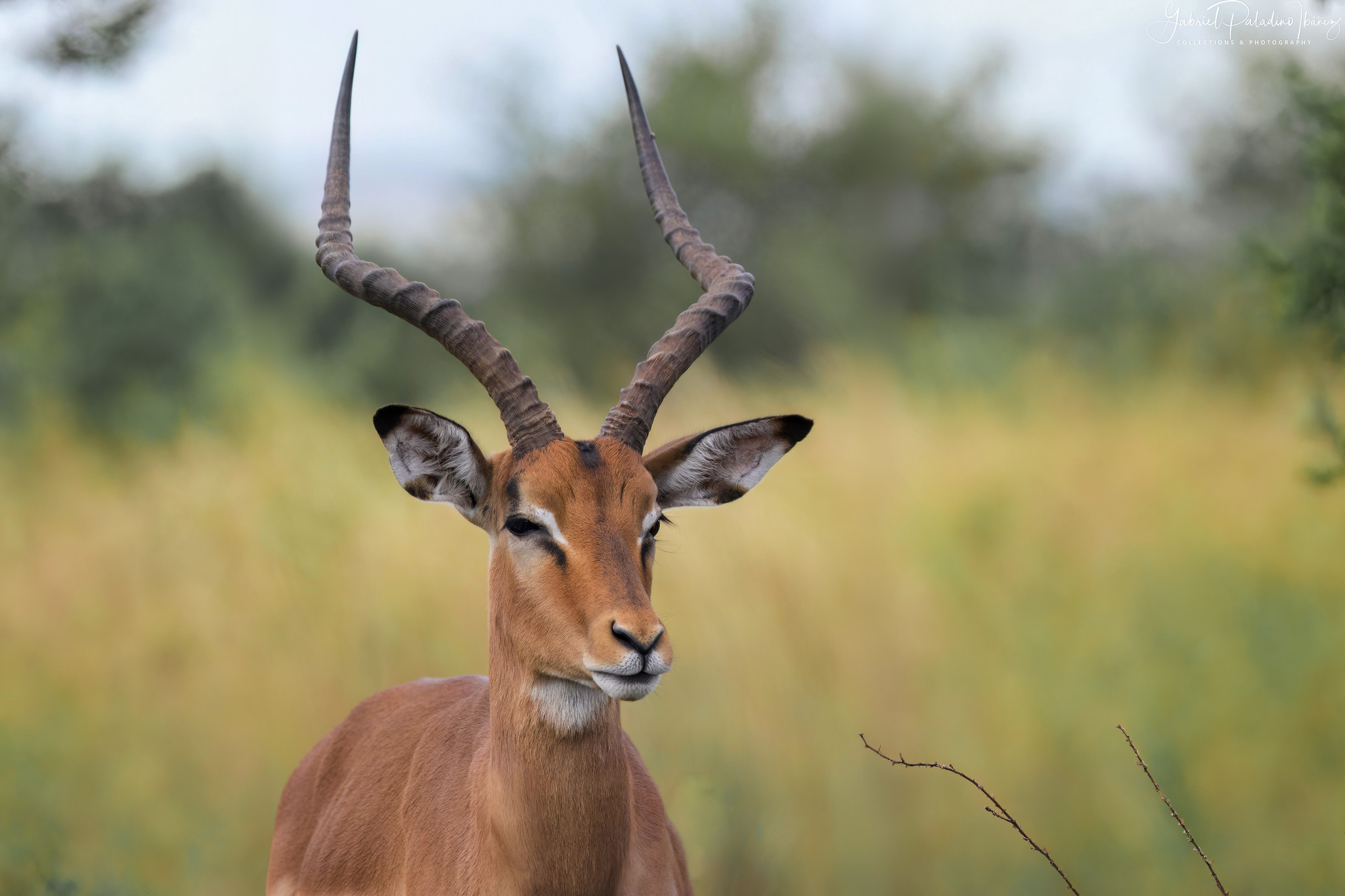
The impala (Aepyceros melampus) is a common antelope across eastern and southern Africa’s savannas, where open grass meets woodland cover. Males carry long, lyre-shaped horns, ridged and curving up to 90 cm, used in ritualized fights during the rut; females are hornless.
Herds shift between bachelor groups, female groups, and territorial harems by season. When threatened, an impala can leap nearly three meters high and clear nine meters or more in a single bound—often in unpredictable, scattering directions meant to confuse a predator rather than the stiff-legged "pronking" of its cousin the springbok.
A dark patch of scent-releasing hair on the hind ankle, the metatarsal gland, may help herd members regroup after such a chase. Mixed feeders, they graze and browse as conditions demand, making them a keystone prey species for Africa’s large carnivores.
Scientific classification:
Kingdom:Animalia
Phylum:Chordata
Class:Mammalia
Order:Artiodactyla
Family:Bovidae
Subfamily:Aepycerotinae
Genus:Aepyceros
Species:A. melampus
Male specimen
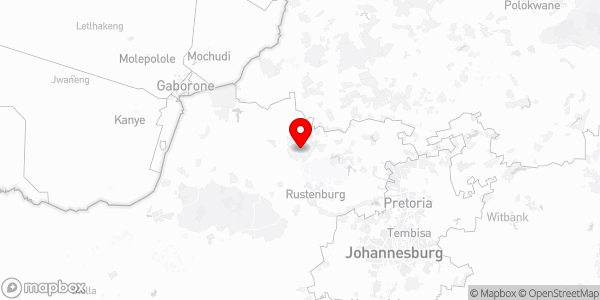
Pilanesberg National Park, North West Province, South Africa
Camera: Canon EOS 77D / 9000D
Lens: Sigma 150-600mm F5-6.3 DG OS HSM | Contemporary
Capture Information:
Focal Length: 347.0 mm
Shutter Speed: 1/500
Aperture: f/6.3
ISO: 400
Photo Taken: March 12, 2018
High resolution
Flickr Gallery