
Captured mid-step in the ceremonial march outside his sentry box in Syntagma Square, this Evzone embodies the imposing presence of the Greek presidential guard. What might look like pure theater is actually a living monument in motion — a rigidly coordinated display where the traditional uniform and every calculated step carry the symbolism of two centuries of national history.
The name Evzone (Εύζωνας) comes from the ancient Greek eúzōnos, "well-girt" or "lightly equipped," once used for agile, light-armed warriors. The modern unit was formally established by royal decree in 1868, but its deeper roots lie with the klephts and armatoloi — the mountain guerrillas who fought Ottoman rule during the Greek War of Independence from 1821. Their dress and fierce independence became the founding myth of Greek military identity, later formalized as official national attire. Before becoming purely ceremonial after World War II, Evzone units fought in the Balkan Wars, the First World War, and the Asia Minor campaign — history that still gives the guard its particular gravity.
Selection is rigorous and entirely voluntary. Candidates come from the regular army, must stand at least 1.87 meters tall, and need to raise a fully extended leg to shoulder height during the march. The month-long training focuses on physical conditioning, mental endurance, and the ability to stand completely motionless — with a widely reported high dropout rate.
Their primary post is the Tomb of the Unknown Soldier, honoring Greece’s unidentified fallen. Two Evzones stand guard there around the clock, every day of the year, while every Sunday at 11am a full platoon marches from the barracks with a military band for the Grand Changing of the Guard. They also raise and lower the flag at the Acropolis each Sunday and represent Greece at state ceremonies abroad.
The uniform is entirely handmade in a small workshop within the Presidential Guard compound, taking more than eighty days to complete. The foustanella — the white pleated kilt that defines the silhouette — uses thirty meters of fabric and holds four hundred pleats, popularly said to mark each year of Ottoman rule (1453–1821). Historians note the garment predates independence and that the symbolism was likely assigned afterward, tied to legendary fighter Theodoros Kolokotronis — but the meaning has since become inseparable from the uniform. The white represents the purity of the independence struggle; the blue-and-white krossia fringes echo the Greek flag.
The pharion, the red cap with its black tassel, carries a double mourning: red for the blood of the fallen, black for the grief of those left behind. The fermeli vest, hand-embroidered in gold and white with patterns from Orthodox iconography, is the most labor-intensive piece, taking over a month to make. Beneath the foustanella: a cotton undershirt, woolen stockings, and black silk garters.
The tsarouchia — heavy red leather shoes with a black pompom — often surprise first-time observers most. Each pair weighs about three kilos and carries sixty to one hundred twenty nails in the sole, originally meant for grip on mountain terrain and now producing the sharp sound of every step. The pompom has been explained as insulation, decoration, or — in folklore with no historical backing — a hiding place for a small blade.
Every movement is deliberate. Guards stand motionless for a full hour, then perform the changeover in exaggerated slow motion — a pace that lets circulation return gradually after prolonged stillness. The heavy stamp of the tsarouchia against stone is said, in a tradition shared by Greeks and Guard members alike, to signal the dead below that Greece endures. Popular accounts also describe the choreography as tracing the Greek word "Όχι" ("No") — Prime Minister Metaxas’s answer to Mussolini’s 1940 ultimatum — through the positions of arms, legs, and rifle. It’s a beloved reading, though more interpretation than documented origin.
Born from the memory of mountain guerrillas fighting for a nation’s survival, the Evzones have become, over two centuries, one of the world’s most recognizable ceremonial institutions — soldiers carrying the weight of national memory, one deliberate step at a time.
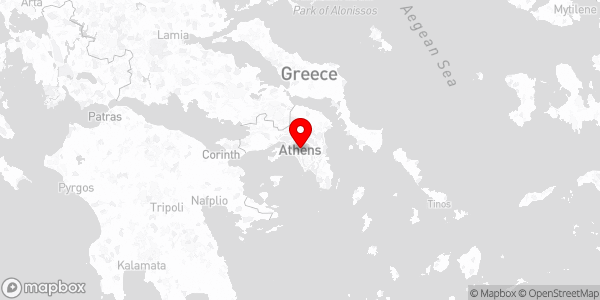
Syntagma, Athens, Greece
Camera: Canon EOS R7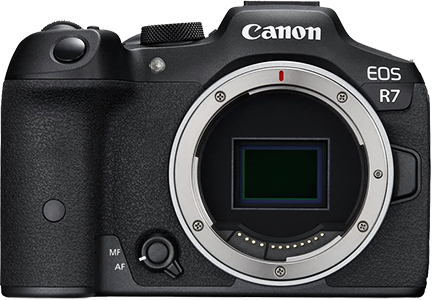
Lens: TAMRON SP 28-75mm F/2.8 Di A09E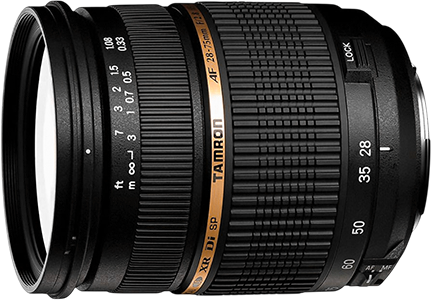
Capture Information:
Focal Length: 54.0 mm
Shutter Speed: 1/800
Aperture: f/8.0
ISO: 100
Photo Taken: May 17, 2026
High resolution
Flickr Gallery