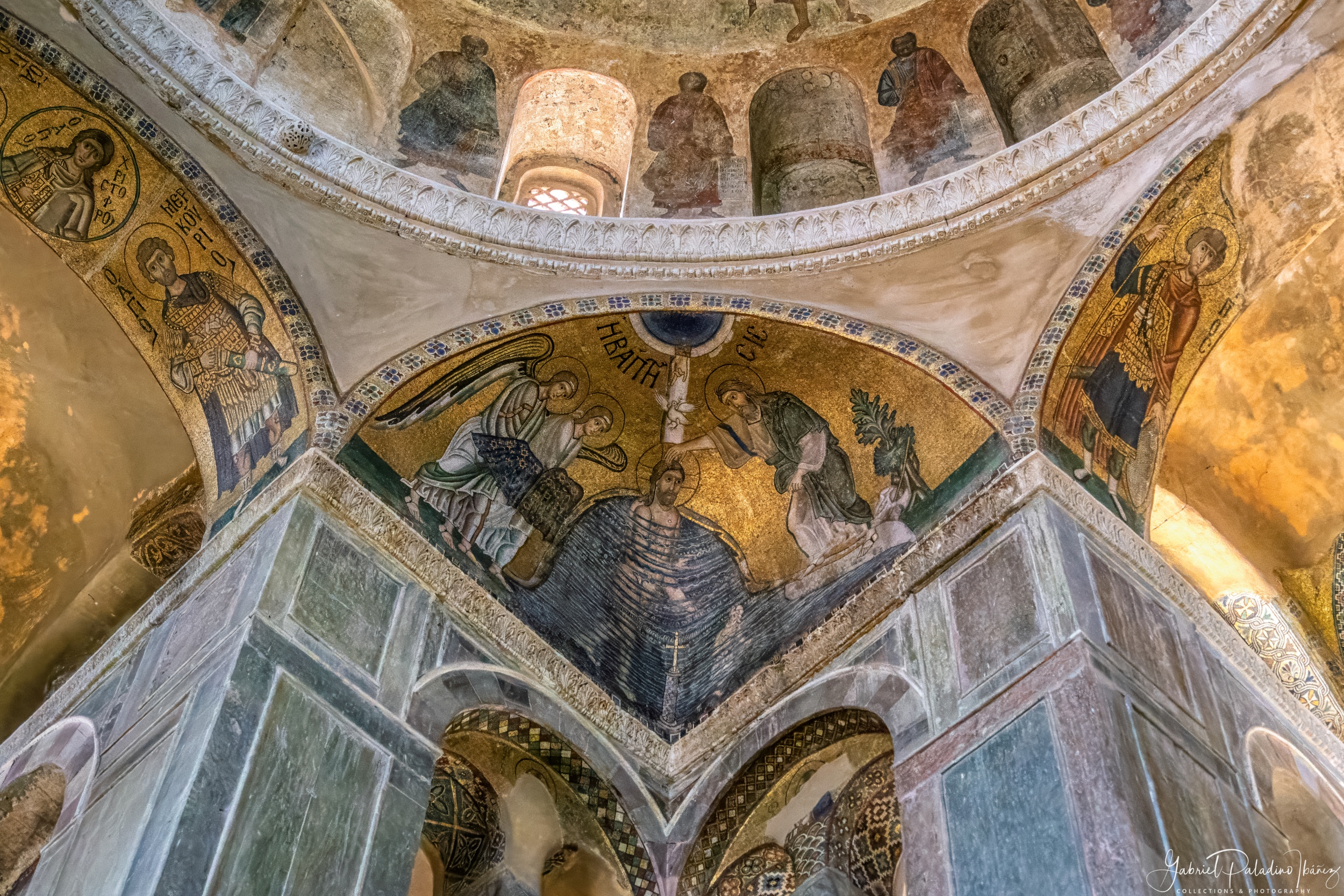
Hosios Loukas, nestled on the western slopes of Mount Helicon in Boeotia, central Greece, is one of the finest surviving monuments of Middle Byzantine art and architecture. Established in the 10th century in association with Saint Luke of Stiris, a revered hermit and ascetic who died in 953 AD, the monastery grew into a major pilgrimage center of the Byzantine world.
The complex is renowned for its exceptional architecture and artistic decoration. Its two principal churches—the Church of the Theotokos, built in the late 10th century and the oldest structure on the site, and the larger Katholikon of the early 11th century—preserve an extraordinary ensemble of gold-ground mosaics, marble revetments, and frescoes that rank among the masterpieces of Byzantine religious art. Their remarkable state of preservation offers a rare insight into the spiritual and artistic ideals of medieval Byzantium.
Closely associated with Orthodox monastic life and Christian pilgrimage for more than a millennium, Hosios Loukas remains an active religious site today. In 1990, it was inscribed on the UNESCO World Heritage List together with the monasteries of Daphni and Nea Moni of Chios, in recognition of its outstanding contribution to the cultural, artistic, and spiritual heritage of the Byzantine world.
The mosaic depicts the Baptism of Christ (Η ΒΑΠΤΙCΙC, "The Baptism"), one of the great feasts of the Orthodox liturgical calendar. Christ stands immersed in the waters of the River Jordan, while John the Baptist leans toward him from the right, administering the rite. On the left, two angels stand in reverent attendance, their hands veiled according to Byzantine ceremonial convention. From the semicircle of heaven above, a ray of divine light descends bearing the Holy Spirit in the form of a white dove, signifying the revelation of the Trinity at the moment of Christ’s baptism — an event known in the Eastern tradition as the Theophany, the simultaneous manifestation of Father, Son, and Holy Spirit. The composition unfolds against a luminous gold background, the Byzantine symbol of the divine and the eternal.
Steiri, Boeotia, Greece

Camera: Canon EOS R7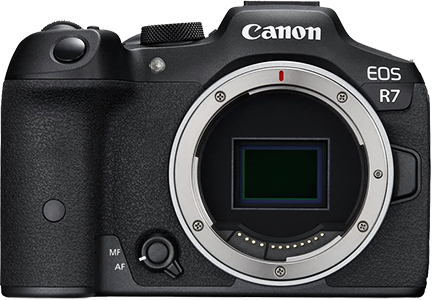
Lens: TAMRON SP 28-75mm F/2.8 Di A09E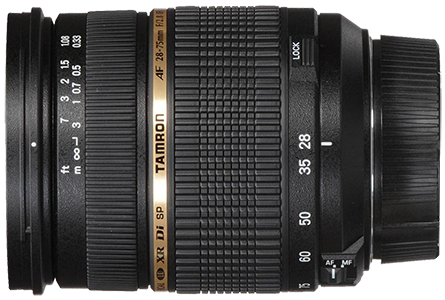
Capture Information:
Focal Length: 28.0 mm
Shutter Speed: 1/500
Aperture: f/3.2
ISO: 10000
Photo Taken: May 09, 2026
High resolution
Flickr Gallery