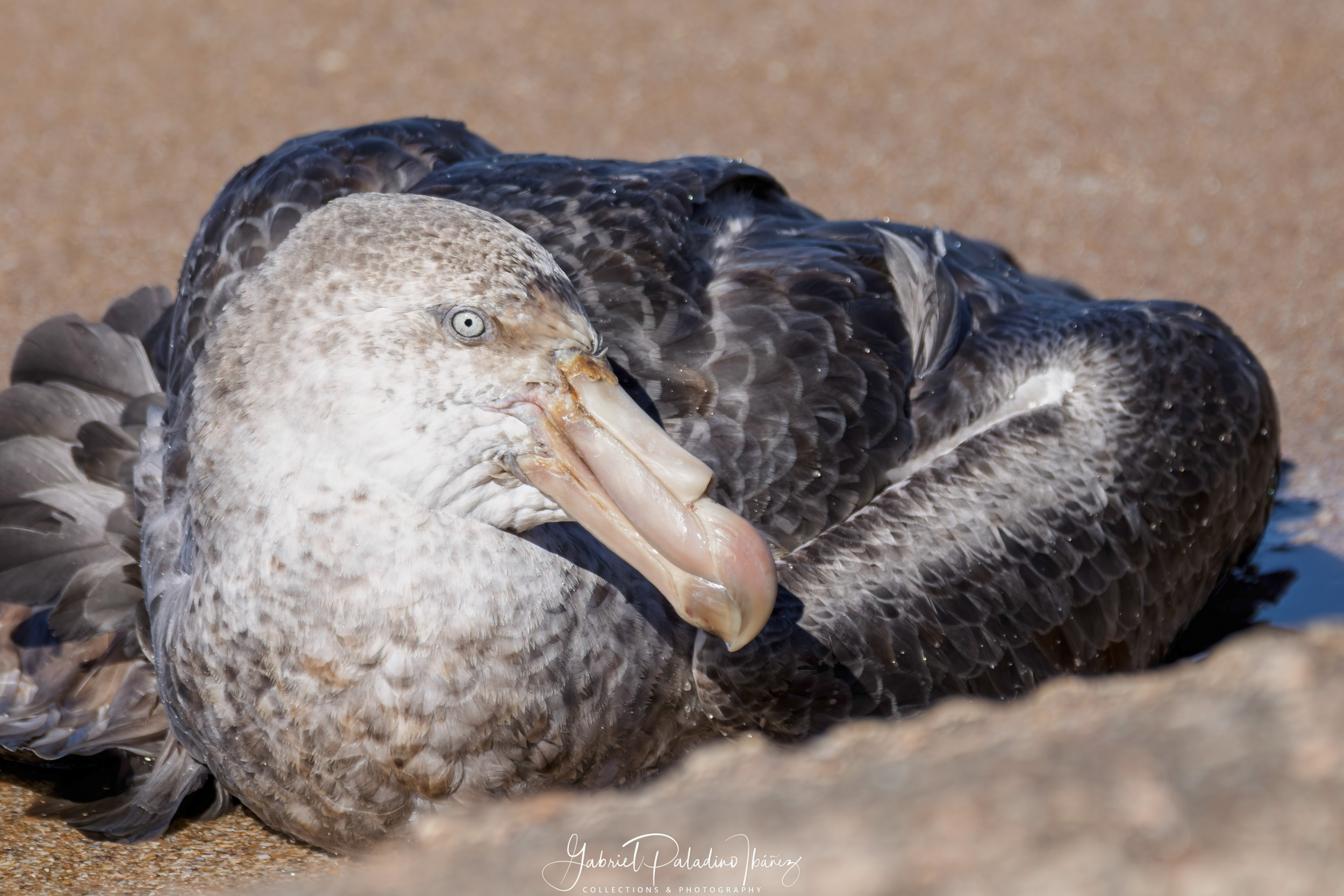
This Northern Giant Petrel (Macronectes halli) was found with a broken wing, stranded among rocks in a hard-to-reach area. Rescue support was requested, but due to the remote location and severe weather conditions—strong storms and winds before and after the finding—assistance was not possible.
Even while injured, the bird exhibits the notable aggressiveness characteristic of the species. Northern Giant Petrels are known for their strong defensive behavior, using their powerful bills and wings to threaten or attack when approached. In this case, the individual reacts vigorously, even attempting to attack nearby dogs despite its condition, demonstrating the resilience and survival instinct typical of the species.
Later the same day, near dusk and in the midst of the storm, I returned to the site and observed that the bird is still alive. Given its severe injury and the impossibility of any effective intervention, the outcome remains certain, and all that can be wished is the most peaceful possible end to this remarkable seabird’s struggle.
• Petrel gigante del norte, Abanto marino subantártico
• Northern giant petrel, Hall’s giant petrel
• Petrélao-gigante-do-norte
Scientific classification:
Superdomain: Neomura
Domain: Eukaryota
(unranked): Opisthokonta
Kingdom: Animalia
Subkingdom: Eumetazoa
(unranked): Bilateria
Superphylum: Deuterostomia
Phylum: Chordata
Subphylum: Vertebrata
Infraphylum: Gnathostomata
Clade: Tetrapoda
Clade: Amniota
Clade: Diapsida
Clade: Archosauria
Class: Aves
Subclass: Neornithes
Infraclass: Neognathae
Clade: Neoaves
Order: Procellariiformes
Family: Procellariidae
Genus: Macronectes
Species: M. halli
Punta del Diablo, Rocha, Uruguay
For identification, the Northern Giant Petrel (Macronectes halli) can be distinguished from the Southern Giant Petrel (M. giganteus) by several key characteristics. The most reliable feature is the tip of the bill, which is reddish-brown to reddish in M. halli, contrasting with the pale green to olive-green tip of M. giganteus.
Another key difference is the eye color in adults: M. halli typically has pale yellow or grayish eyes, while adult M. giganteus displays noticeably darker, brownish eyes.
Plumage can also be a useful clue, though it is more variable. M. halli tends to have a more uniformly dark head and neck, often with a reddish-brown or grayish hue that blends more gradually into the body. In contrast, adult M. giganteus often shows a paler, whiter head and neck that creates a stronger contrast with its darker body plumage. However, it’s important to note that juvenile and dark-phase M. giganteus can be almost entirely dark, making bill and eye color the most definitive features for positive identification.
Camera: Canon EOS 77D / 9000D
Lens: Sigma 150-600mm F5-6.3 DG OS HSM | Contemporary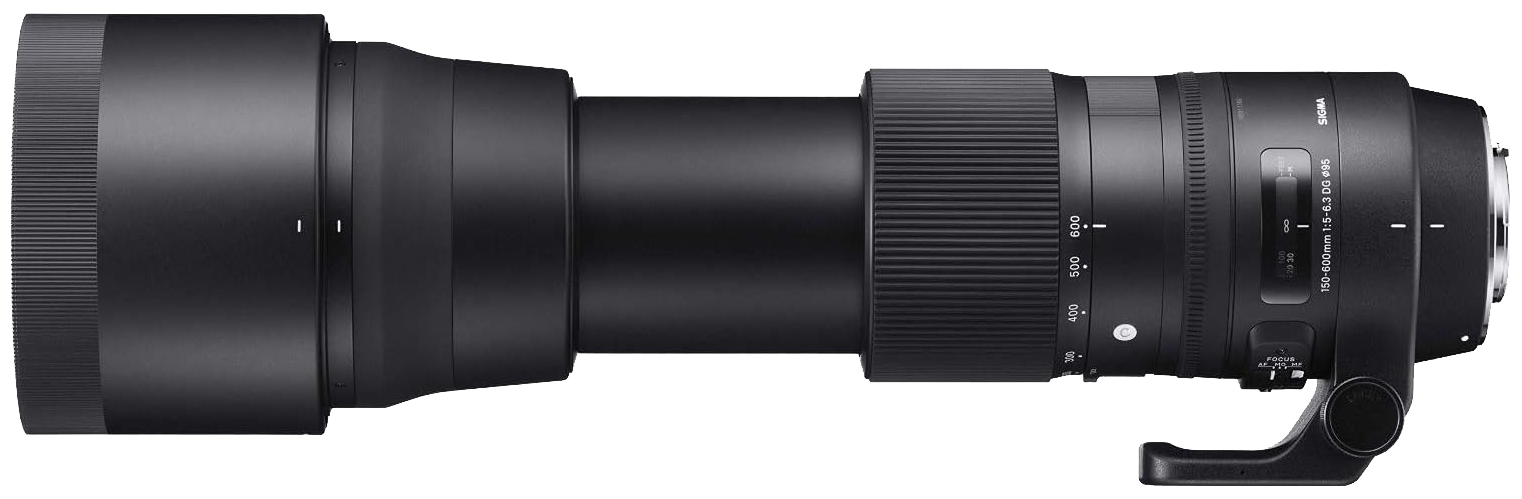
Photo Taken: August 21, 2025
High resolution
Flickr Gallery
Did you like this post?