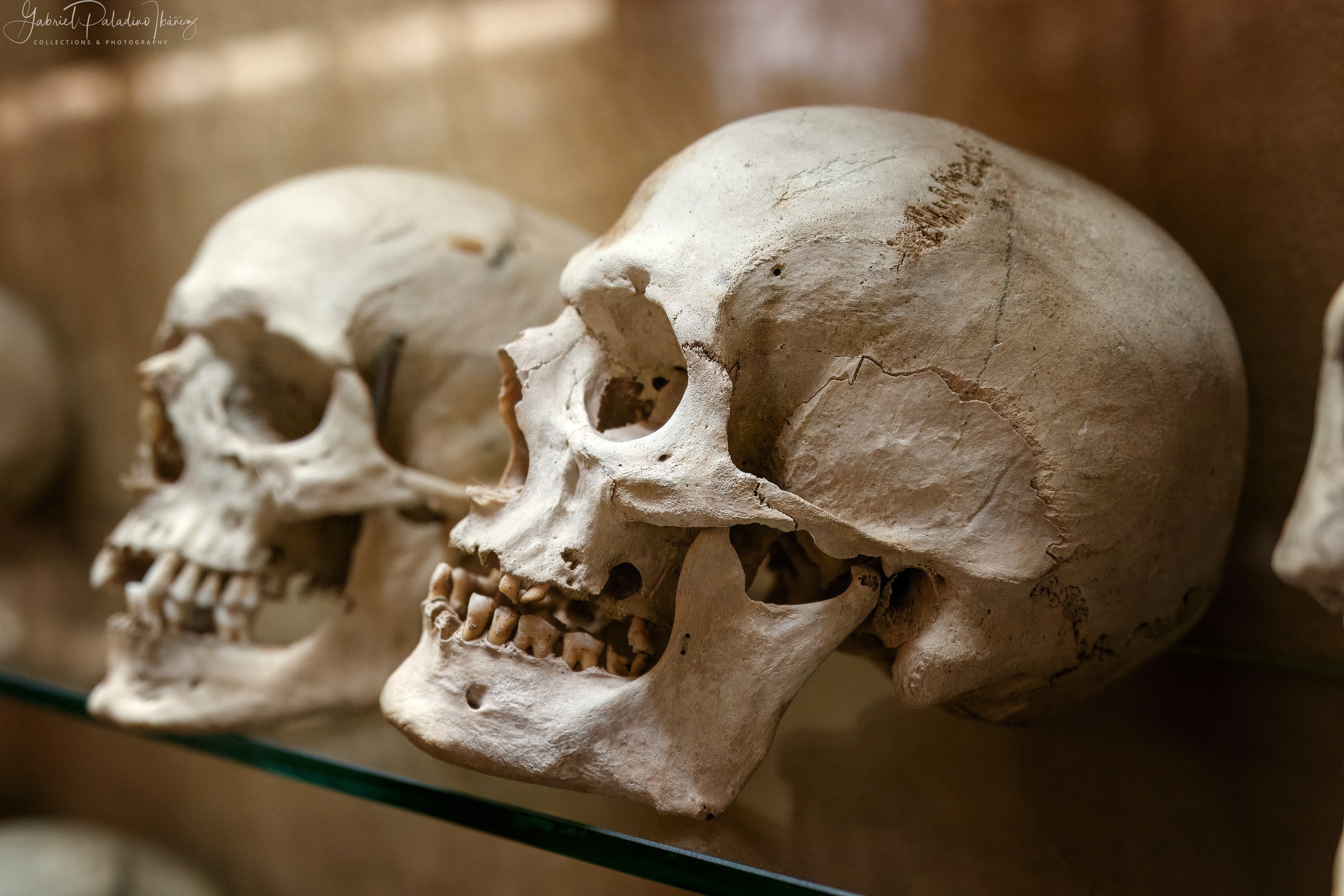
On 4 August 1879, the physician Gregorio Chil y Naranjo and a group of scholars signed the statutes of a society devoted to founding a museum and library in Las Palmas de Gran Canaria.[1] El Museo Canario opened its first rooms on 24 May 1880, on the upper floor of the city hall. The founders kept close scientific ties with French anthropologists, among them René Verneau, and the collection grew through excavations, donations and exchanges.[2]
When Chil died in 1901, he left the society his house in Vegueta, the historic quarter of the city, with his collections and library. The move was completed in 1923.[2] Today the museum holds the largest archaeological collection in the Canary Islands.[3] Its osteological holdings were assembled between the founding and the 1930s from funerary caves and necropolises, where the dry conditions preserved complete skeletons and, in some cases, mummified bodies with their shrouds.[4] The room named for Verneau keeps its nineteenth-century arrangement and brings together hundreds of skulls.[3][5]
That arrangement belongs to its time. The founders were interested in defining a regional "race" that would express the essence of the archipelago’s people,[6] and Verneau classified the skulls into types.[7] Current scholarship revisits those categories as part of the history of science, while modern analysis of skeletal series from the island’s necropolises documents healed fractures, dental wear from stone milling, and a diet based mainly on agriculture and herding.[7]
The people whose remains are kept here lived on Gran Canaria until the Castilian conquest of the late fifteenth century. How they should be treated today is a question open in the islands themselves. In 2025 Spain’s Ministry of Culture instructed its national museums to withdraw human remains from display,[5] and the president of the Cabildo of Tenerife, which has asked since 1990 for the return of the Erques mummy, calls it a symbol of Canarian identity.[8][9] A proposal put forward in the Canarian Parliament seeks the repatriation and reburial of remains held outside the islands.[10] The directors of two Canarian museums, for their part, argue that the remains should remain in view and present them with respect.[5][11]
Behind each inventory number is a person of this island, with a name, a household and a place in a community. People, not objects.
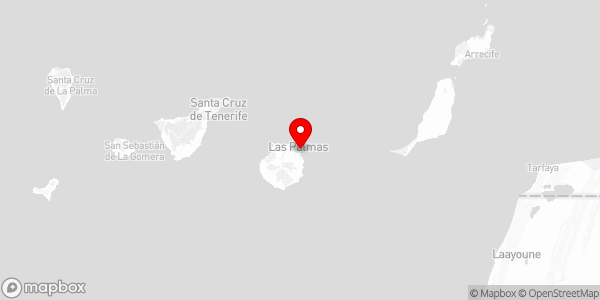
El Museo Canario, Vegueta, Las Palmas de Gran Canaria, Gran Canaria, Canary Islands
Sources
1. Pieza del mes, Apr 2022
2. Museum website
3. Wikipedia
4. Pieza del mes, Oct 2022
5. EFE / Vanguardia
6. CSIC journal
7. Pieza del mes, Sep 2025
8. RTVC, Erques
9. RTVC, since 1990
10. Canarias Ahora
11. La Voz de Lanzarote
Camera: Canon EOS 77D / 9000D
Lens: TAMRON SP 28-75mm F/2.8 Di A09E
Capture Information:
Focal Length: 33.0 mm
Shutter Speed: 1/50
Aperture: f/2.8
ISO: 800
Photo Taken: April 18, 2023
High resolution
Flickr Gallery