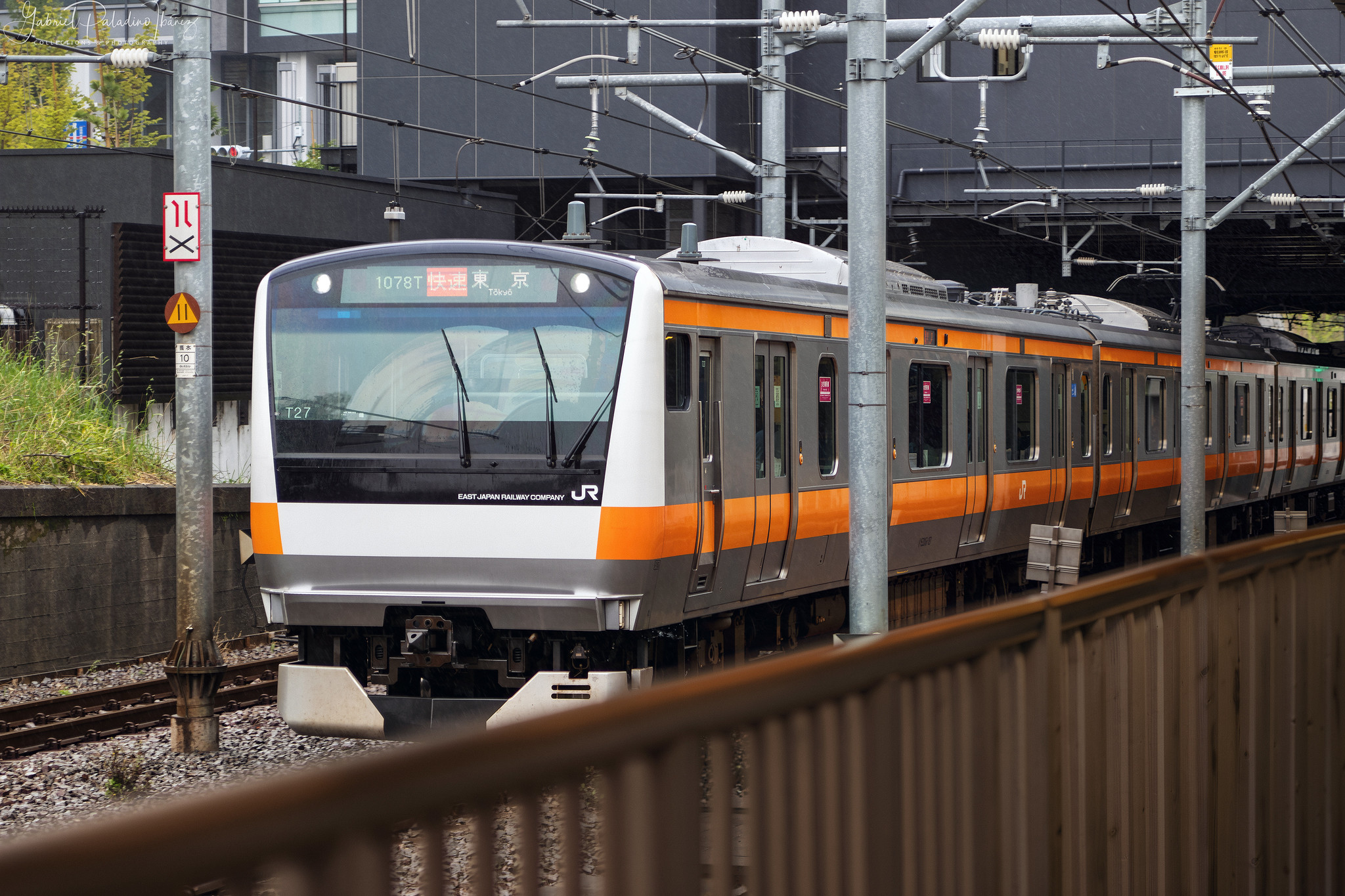
The E233 series, developed by JR East and introduced in 2006, is an electric multiple unit (EMU) train designed for suburban and commuter lines. These trains offer enhanced accessibility and comfort with features such as wider seating, air filtration systems, and LCD passenger information displays. A prominent line utilizing the E233 series is the Chūō Line (Rapid), which connects central Tokyo with western Tokyo and Yamanashi Prefecture. This line is known for its rapid services, stopping at fewer stations than local trains and providing faster journeys across the metropolitan area.
The E233-0 series is a specific variant of the E233 family, introduced in December 2006 to replace the aging 201 series on the Chūō Line (Rapid). These trains incorporate improved accessibility, enhanced passenger comfort, and redundant onboard systems designed to improve operational reliability. The E233-0 series operates in a variety of formations and is also used on the Ōme, Itsukaichi, Hachikō, and Fujikyuko lines.
The train shown in this photograph is E233-0 formation T27, operating a Rapid service for Tokyo on the Chūō Line (Rapid). At the time the photograph was taken and originally published in 2024, T formations normally operated as 10-car sets, representing the standard configuration of the line.
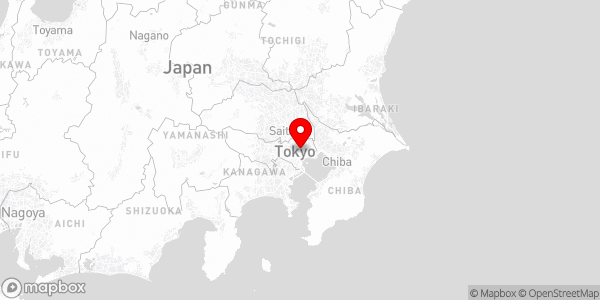
Iidabashi Station, Chiyoda, Tokyo, Japan
Update — 2025–2026
Since this description was originally written and used in a 2024 publication documenting E233-0 series operations on the Chūō Line (Rapid), the E233-0 series operating on the Chūō Line (Rapid) has undergone an important operational change.
From October 2024, JR East progressively introduced two new double-decker Green Cars into E233-0 formations as part of a major upgrade of the Chūō Line Rapid and Ōme Line services. Paid Green Car service officially commenced on March 15, 2025, following the completion of the introduction programme.
The addition of the Green Cars changed the standard Chūō Line Rapid configuration from the long-established 10-car formation to a new 12-car formation. The two Green Cars occupy positions 4 and 5 from the Tokyo end of the train. The T formations became fixed 12-car sets, while H formations consist of an 8-car set coupled to a 4-car set.
The double-deck Green Cars provide upgraded accommodation, including reclining seats, tables, power outlets, onboard toilets, and JR-EAST FREE Wi-Fi service.
Consequently, the 10-car E233-0 formation T27 visible in this photograph represents the pre-Green-Car configuration of the Chūō Line Rapid, documenting a layout that has largely disappeared following the introduction of the new 12-car formations. JR East itself has noted that photographs showing original 10-car formations have become increasingly valuable from a railway-historical and photographic perspective.
Sources:
• JR East — Green Cars on Local Trains
• JRE Media — E233-0 Series 10-Car Formations
Camera: Canon EOS 800D / Rebel T7i / Kiss X9i
Lens: TAMRON SP 28-75mm F/2.8 Di A09E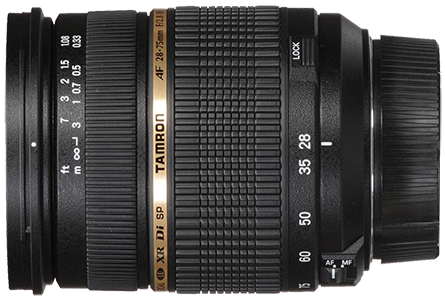
Capture Information:
Focal Length: 56.0 mm
Shutter Speed: 1/200
Aperture: f/2.8
ISO: 100
Photo Taken: April 12, 2024
High resolution
Flickr Gallery