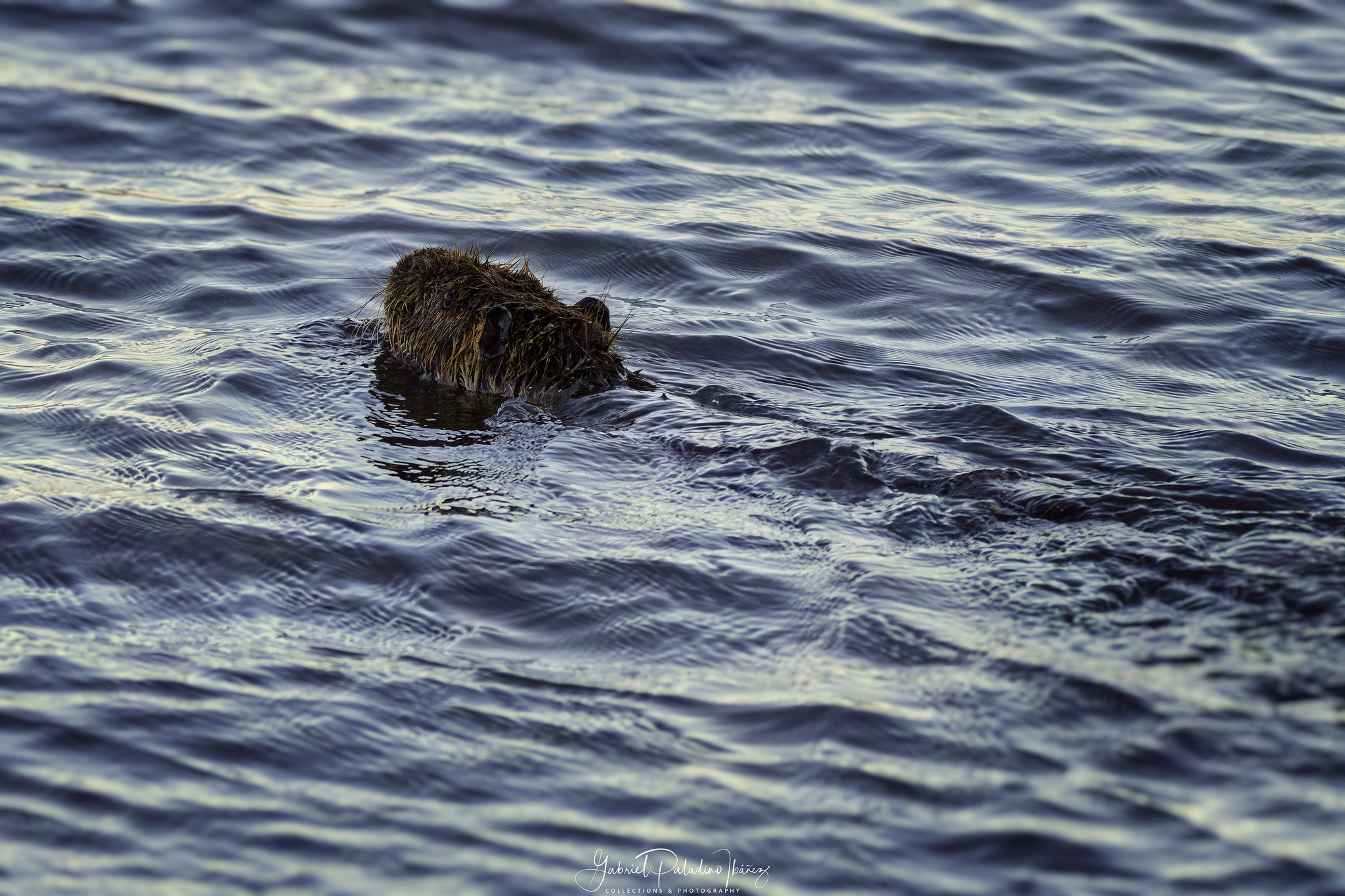
A field record of a Coypu (Myocastor coypus), known locally as nutria, swimming steadily through the inland waters of Laguna Garzón, away from the Atlantic shore. Laguna Garzón has been part of Uruguay’s National System of Protected Areas (SNAP) since 2014.
Native to central and southern South America, from Bolivia and southern Brazil down to Tierra del Fuego, this large semi-aquatic rodent inhabits marshes, lake margins, slow-moving streams, and other wetlands with aquatic and emergent vegetation.
Adults generally measure about 40–60 cm in head-and-body length, with a rounded tail of roughly 30–45 cm, and typically weigh between 5 and 10 kg. Their webbed hind feet, dense underfur, and large orange incisors are characteristic adaptations to aquatic life. The eyes, ears, and nostrils sit high on the head, allowing the animal to keep them above water while swimming.
Coypus are predominantly herbivorous, feeding on roots, stems, and other aquatic and emergent plant material, and can consume up to roughly a quarter of their body weight daily. They are most active at night, although daytime activity is also regularly recorded.
Outside South America, established feral populations occur in parts of Europe, North America, Asia, and Africa, largely as a result of introductions associated with the fur-farming industry, including accidental escapes and intentional releases. The species is listed as Least Concern by the IUCN.
• Coypu
• Coipo, Nutria
Scientific classification:
Kingdom: Animalia
Phylum: Chordata
Class: Mammalia
Order: Rodentia
Family: Echimyidae
Genus: Myocastor
Species: M. coypus
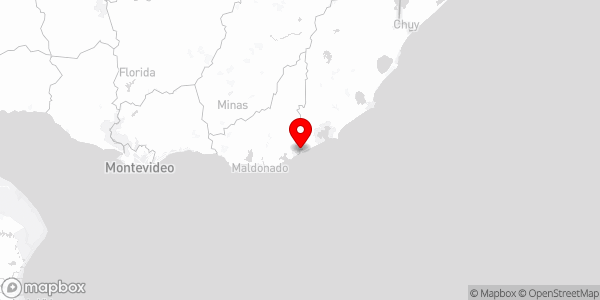
Laguna Garzón, Maldonado/Rocha, Uruguay
Camera: Canon EOS R7
Lens: Sigma 150-600mm F5-6.3 DG OS HSM | Contemporary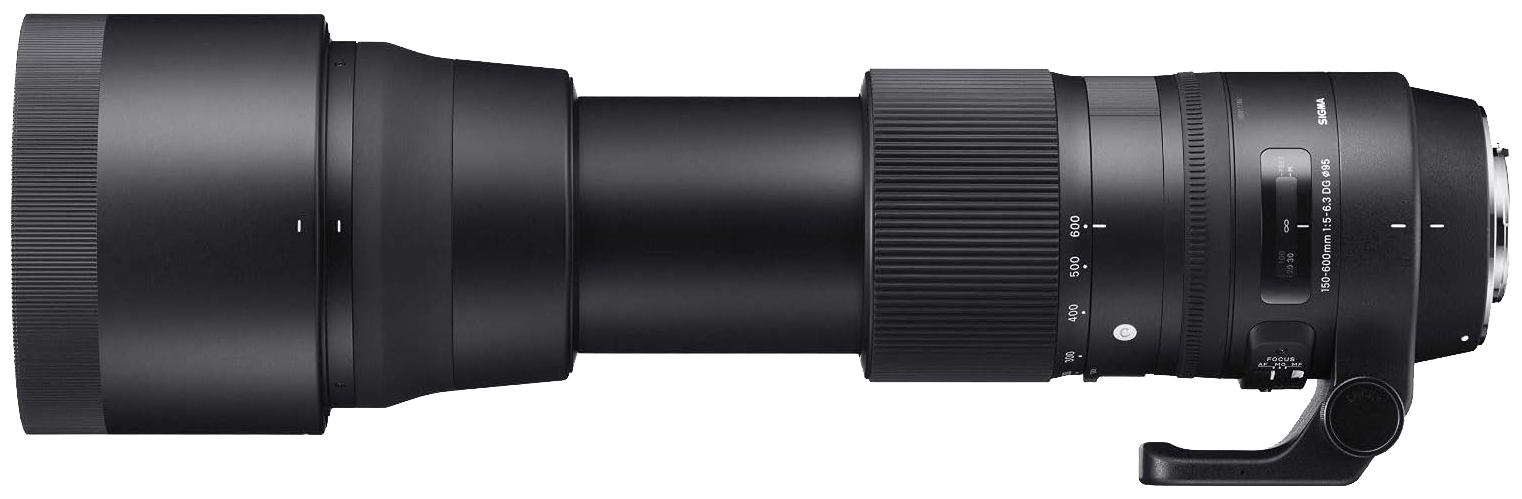
Capture Information:
Focal Length: 196.0 mm
Shutter Speed: 1/320
Aperture: f/5.6
ISO: 160
Photo Taken: October 18, 2025
High resolution
Flickr Gallery