
Fringilla coelebs, the Common Chaffinch, is a small, common and widespread passerine belonging to the finch family (Fringillidae) — one of the most abundant and familiar birds across its range — readily recognized by its stout, conical bill and white wing bars visible both at rest and in flight. Breeding males display a blue-grey crown and nape, a pinkish-brown face and underparts, and an olive-green rump, with a chestnut-brown back. Females and juveniles are duller, showing olive-brown and greyish tones overall, lacking the male’s bright coloration but sharing the same distinctive white shoulder patch, wing bar, and white outer tail feathers. Adults typically measure 14.5–16 cm in length, with a wingspan of about 24.5–28.5 cm and a weight of 18–29 grams.
The Common Chaffinch is primarily a seed- and insect-eater, foraging mainly on the ground and in low vegetation. Its diet shifts seasonally: seeds, grain, and plant material dominate in autumn and winter, while insects, spiders, and other invertebrates — especially caterpillars — become important during the breeding season, when they provide essential protein for nestlings. It frequents woodland, scrub, hedgerows, gardens, orchards, parks, and cultivated land, and adapts readily to human-altered environments. The species builds a compact, neatly woven cup nest of moss, lichen, grass, and spider webs, camouflaged against the bark of a tree or shrub, usually placed in a fork of branches.
• Common Chaffinch, Chaffinch
• Σπίνος
• Pinzón vulgar
Scientific classification:
Kingdom: Animalia
Phylum: Chordata
Class: Aves
Order: Passeriformes
Family: Fringillidae
Genus: Fringilla
Species: Fringilla coelebs
Fringilla coelebs breeds across most of Europe, parts of North Africa, and western Asia, and has also been introduced to New Zealand and other regions. Northern and eastern populations are migratory, moving south and west to winter in milder parts of Europe and North Africa, while populations in more temperate regions, including much of the Mediterranean, tend to be resident or only partially migratory. Outside the breeding season it often forms flocks, sometimes mixed with other finches, foraging together in fields and woodland edges. The species is classified as Least Concern by the IUCN and is one of the most numerous birds in Europe.
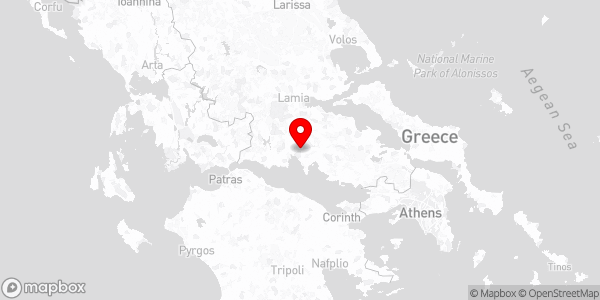
Delphi Archaeological Site, Delphi, Greece
Camera: Canon EOS 77D / 9000D
Lens: Sigma 150-600mm F5-6.3 DG OS HSM | Contemporary
Capture Information:
Focal Length: 313.0 mm
Shutter Speed: 1/400
Aperture: f/6.3
ISO: 200
Photo Taken: May 09, 2026
High resolution
Flickr Gallery