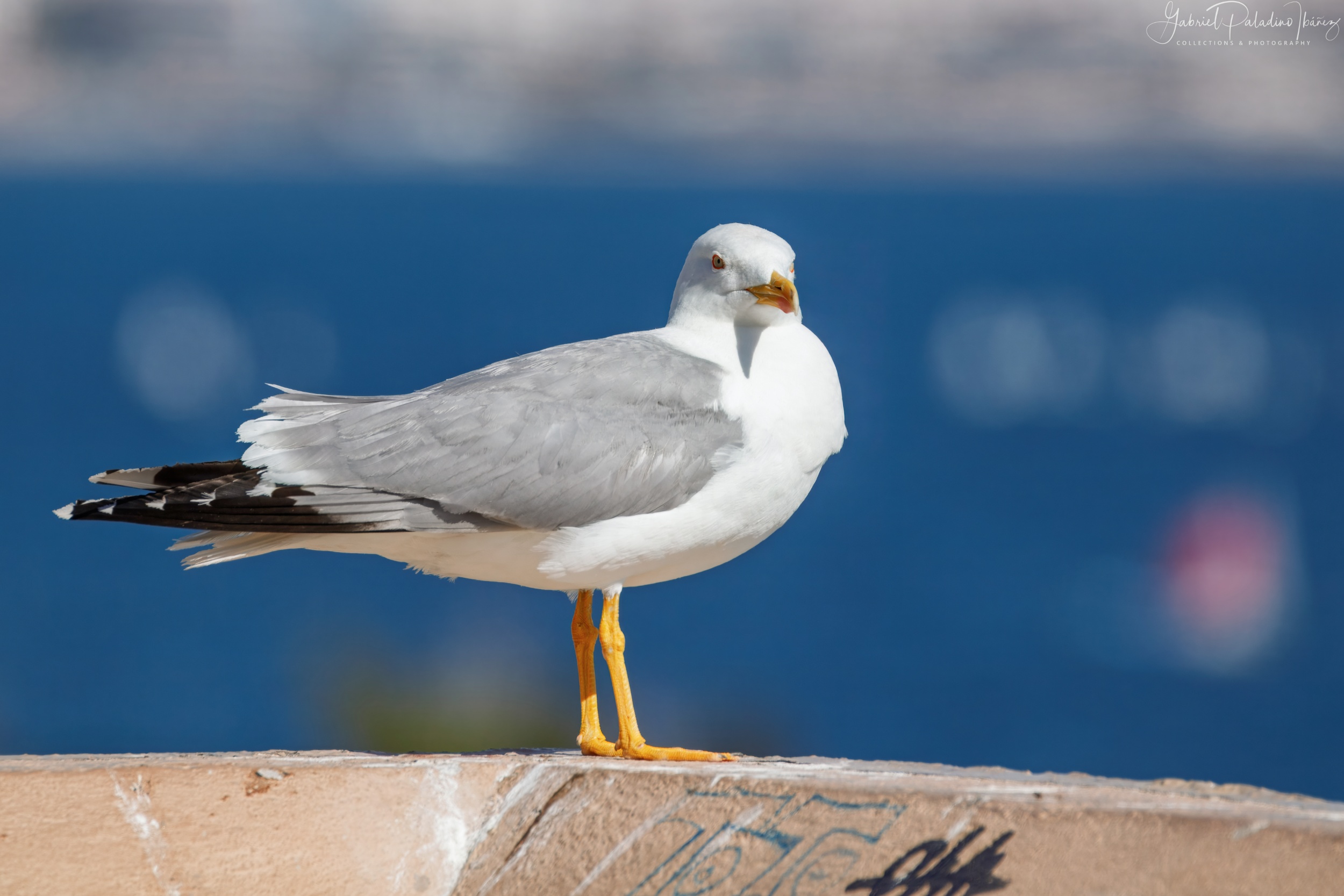
Native to rocky Mediterranean coastlines, Atlantic Iberia, and North Africa, this gull has expanded its breeding range toward Western Europe and the North Atlantic coast since the mid-20th century, a shift linked in part to the availability of food from landfills and fisheries. It nests on coastal cliffs and islets, and increasingly on rooftops in urban and port areas.
Larus michahellis is a large, heavily built gull with a light grey mantle, yellow legs, and a red spot on the lower mandible near the tip of the bill; adults also show a red eye-ring. It is an opportunistic omnivore, feeding on fish, invertebrates, organic waste, and food discarded by humans, and often outcompetes smaller gulls for food. Its calls include a loud, low-pitched series used in territorial defense and colony communication.
• Ασημόγλαρος (Asimóglaros)
• Gaviota patiamarilla
• Yellow-legged gull
Scientific classification:
Kingdom: Animalia
Phylum: Chordata
Class: Aves
Order: Charadriiformes
Family: Laridae
Genus: Larus
Species: Larus michahellis
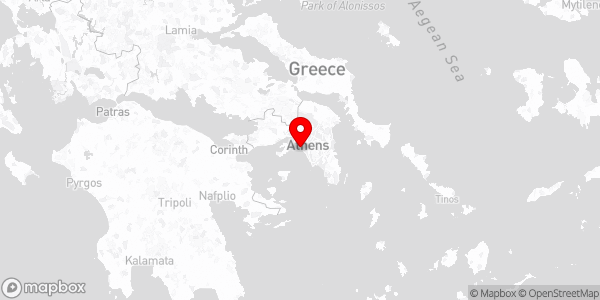
Piraeus, Attica, Greece
Camera: Canon EOS 77D / 9000D
Lens: Sigma 150-600mm F5-6.3 DG OS HSM | Contemporary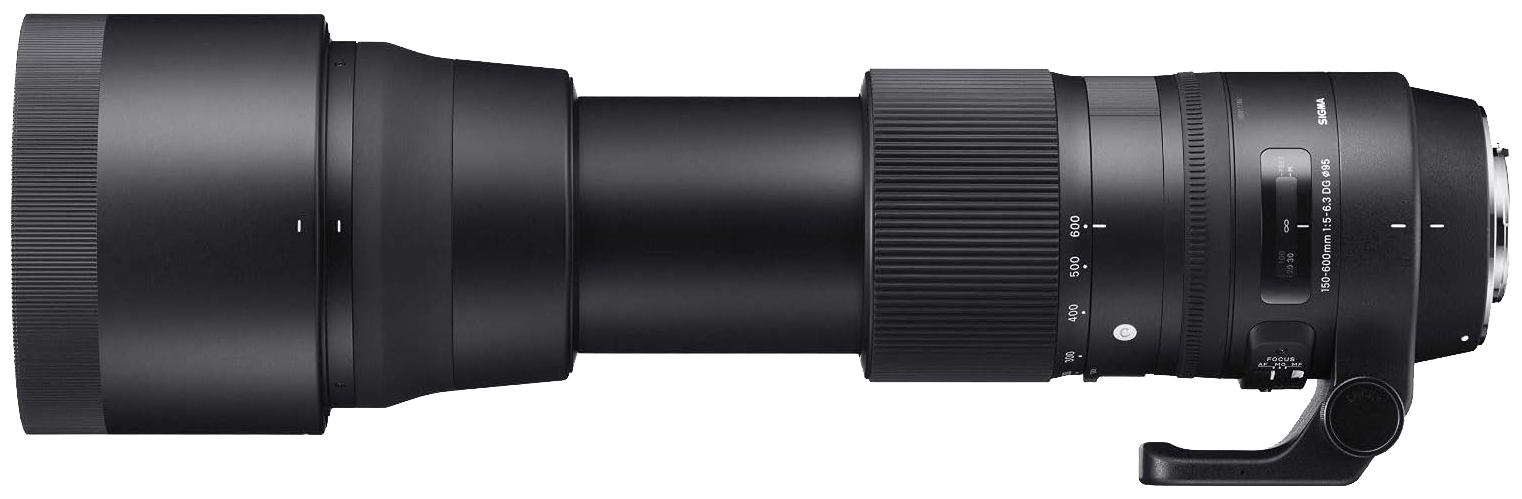
Capture Information:
Focal Length: 451.0 mm
Shutter Speed: 1/1000
Aperture: f/7.1
ISO: 160
Photo Taken: May 06, 2026
High resolution
Flickr Gallery