
At first glance, Aegina’s harbor looks much as it has for generations. Fishing boats painted in the island’s characteristic blue and white line the quay, mooring lines running taut to the stone pier. In the foreground, the Danae is one of them — her name visible on the bow, her blue-and-white hull part of a color scheme repeated boat after boat down the dock, a matter of local tradition rather than aesthetics.
Aegina is one of the easiest and most popular day trips from Athens, a short ferry ride from Piraeus. Even so, the waterfront remains a working harbor: the boats sit low and close together, nets bundled at the bow, ropes crossing the water to the cleats along the quay. This same quiet harbor once stood at the center of modern Greek history: between 1827 and 1829, Aegina served as the first seat of government of the newly independent Greek state, before the capital moved to Nafplio and, eventually, to Athens. Little on the quay points to that chapter directly, but the neoclassical buildings lining the port — like the pale, columned facade rising behind the masts — are among the few remaining traces of it.
Beyond the water, the island is known for its pistachio orchards and for the Temple of Aphaia, one of the best-preserved Doric temples in Greece, dating to around 500 BC. Down at the harbor, though, Aegina’s character isn’t defined by that past — it’s defined by the rhythm of everyday life still unfolding along the waterfront.
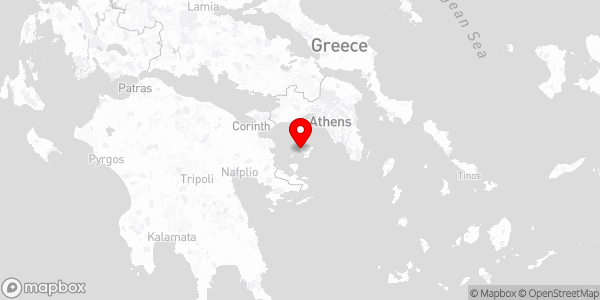
Aegina, Saronic Gulf, Greece
Camera: Canon EOS 77D / 9000D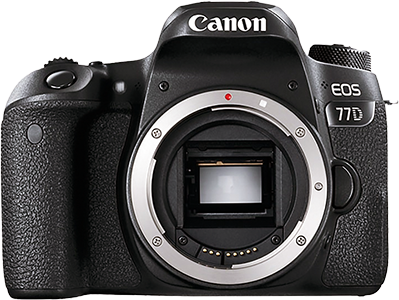
Lens: Canon EF-S 10-18mm f/4.5-5.6 IS STM
Capture Information:
Focal Length: 12.0 mm
Shutter Speed: 1/3200
Aperture: f/5.0
ISO: 400
Photo Taken: May 11, 2026
High resolution
Flickr Gallery