
The Metropolitan Cathedral of the Annunciation of the Virgin Mary (Ιερός Μητροπολιτικός Ναός Ευαγγελισμού της Θεοτόκου), known locally as Mitropoli Athinon, stands at the heart of Athens as the principal cathedral of the Greek Orthodox Church. Its cornerstone was laid in December 1842 by King Otto and Queen Amalia, and under three successive architects the building took shape over twenty years. Architectural material salvaged from 72 demolished churches was incorporated into its walls — a practice that physically embedded fragments of earlier Orthodox worship into the fabric of the new structure. The interior was entrusted to leading artists of the nineteenth century: wall paintings executed by Alexander Seitz, ornamentation by Konstantinos Fanellis from Smyrna, and sculpture by Georgios Fytalis from Tinos. Within the cathedral rest the sacred relics of two Orthodox martyrs: Saint Philothei of Athens (1522–1589) and Saint Gregorios V, Patriarch of Constantinople (1746–1821).
A Study in Sacred Ornament:
The cathedral is a three-aisled basilica with a dome, combining neoclassical and Greek-Byzantine architectural styles — a synthesis shaped by successive design phases and reflecting the cultural aspirations of the newly founded Greek state. Its entrance is articulated by an arcade of Corinthian columns and pilasters, their capitals carved in white marble with deeply undercut acanthus leaves, elegant volutes, and sculpted faces emerging from the stone foliage — a formal vocabulary that belongs to the Tinian marble-carving tradition, which shaped nearly every major monumental commission in nineteenth-century Athens.
Above the columns, the decorative program unfolds in a rich polychrome scheme: geometric panels of sage green and terracotta framed by gilded borders, punctuated by floral rosettes and cross motifs rooted in Byzantine ecclesiastical ornament. Byzantine, neoclassical, and Western historicist influences converge into a visual language that is neither purely ancient nor entirely modern, but timelessly ceremonial. Deep blue vaults scattered with golden stars complete the composition — a symbol of the celestial realm common to Byzantine and early Christian sacred architecture, heaven rendered in pigment and plaster.

Camera: Canon EOS R7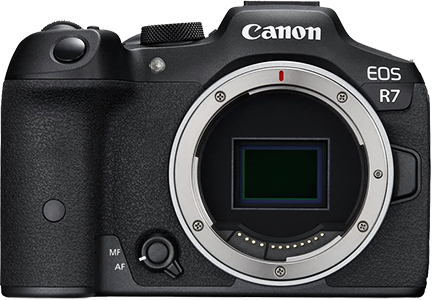
Lens: TAMRON SP 28-75mm F/2.8 Di A09E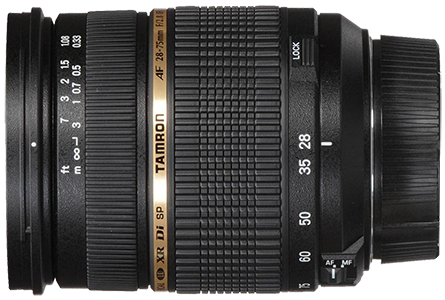
Capture Information:
Focal Length: 67.0 mm
Shutter Speed: 1/800
Aperture: f/7.1
ISO: 100
Photo Taken: May 05, 2026
High resolution
Flickr Gallery