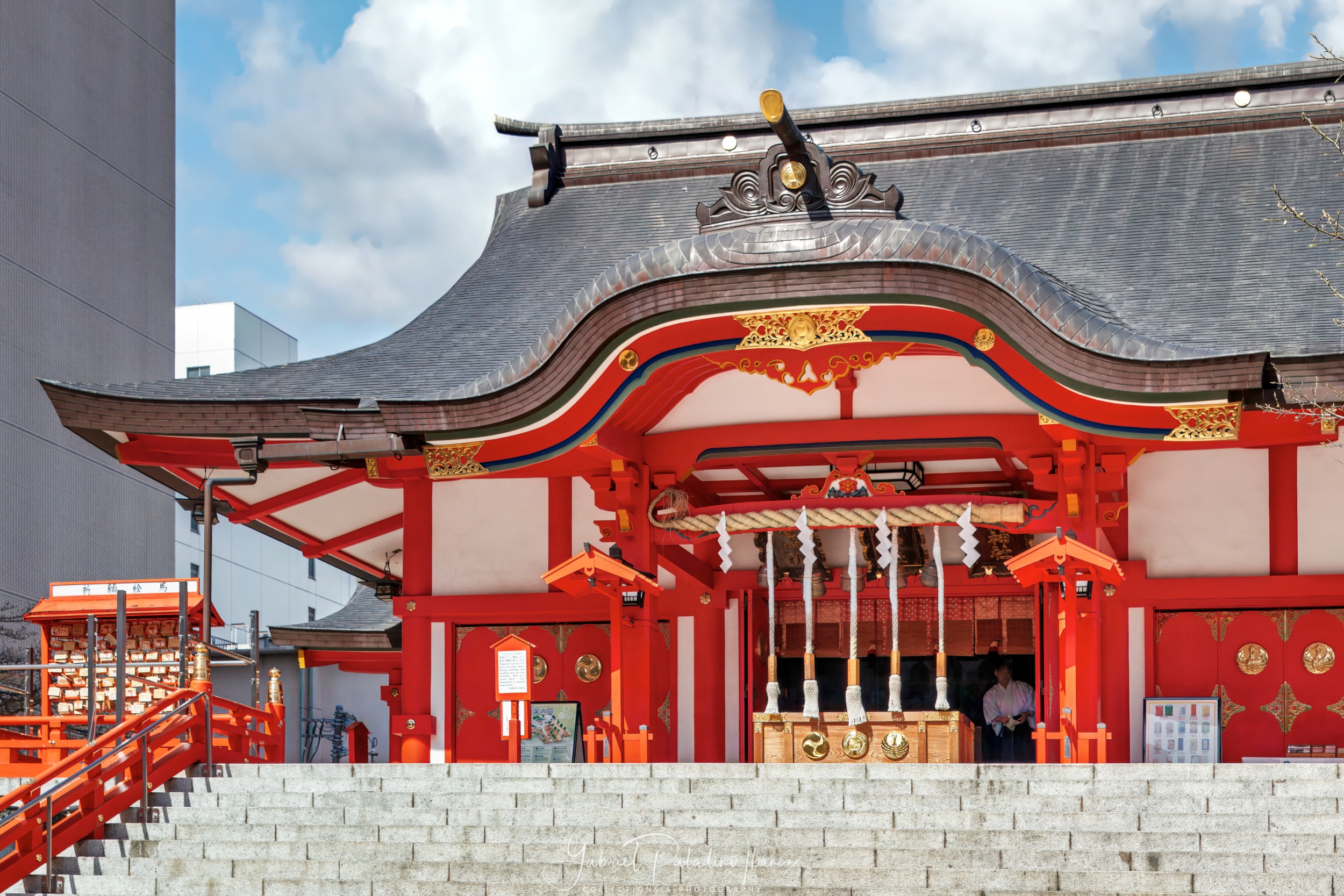
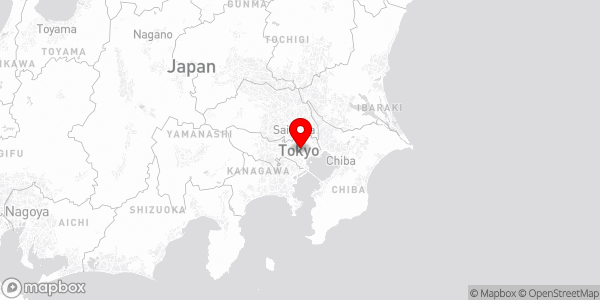
In the middle of Shinjuku’s relentless pace, tucked away near the Kabukicho district, stands Hanazono-jinja. Its name translates to "Flower Garden Shrine," a quiet nod to the history of a site that has been a spiritual landmark for centuries. Dedicated to Inari—the deity of fertility and worldly success—the shrine has long been a place of refuge for those seeking prosperity in business.
While the exact origin of Hanazono remains unrecorded, it was already a recognized site by 1590, during the Azuchi–Momoyama period. This was an era before the Tokugawa shogunate established its power in Edo, the city we now know as Tokyo. Over time, the shrine’s physical presence shifted; it was originally located south of its current position before moving during the mid-17th century.
The history of Hanazono is one of constant reconstruction. It was heavily damaged by fires in 1780 and 1811, and later completely destroyed during the air raids of World War II. The structure seen today, built in the traditional dozo-zukuri architectural style, is a concrete replica completed in 1965.
Walking through the grounds, one finds the Itoku Inari sub-shrine, reached through a corridor of small torii gates. Clustered at the end of this path are the kitsune (fox) guardians, the traditional messengers of Inari.
During a quiet morning visit, the sharp light of the early hours often reveals the daily life that keeps the sanctuary running. In the shadows of the haiden, a shrine priest or assistant in traditional attire can be seen attending to his duties—a reminder that the sanctuary’s pristine state is the result of constant, quiet diligence. It is this intersection, where ancient ritual meets the urban giants of Shinjuku, that defines Hanazono today.
Camera: Canon EOS 800D / Rebel T7i / Kiss X9i
Lens: TAMRON SP 28-75mm F/2.8 Di A09E
Capture Information:
Focal Length: 35.0 mm
Shutter Speed: 1/400
Aperture: f/4.5
ISO: 100
Photo Taken: April 01, 2024
High resolution
Flickr Gallery