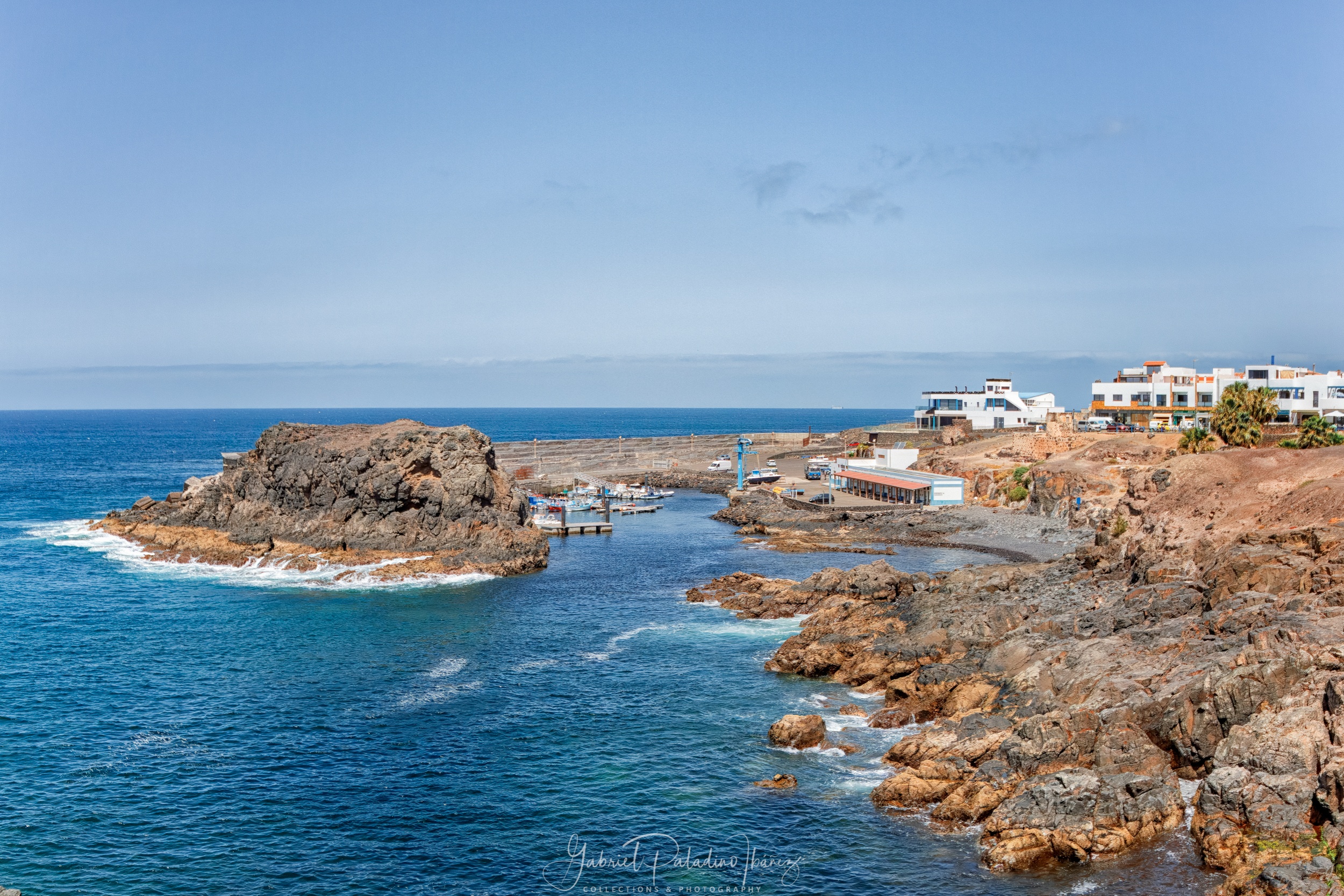
Historically known as Puerto del Roque and later as Puerto del Tostón, this natural anchorage became a vital commercial hub for Fuerteventura following the Castilian conquest. For centuries, it served as a primary export point for livestock, grain, and orchilla—a sea lichen used to produce violet dye. Its strategic and economic importance was further enhanced in the 19th century with the construction of lime kilns around the harbor for the production and export of quicklime to other islands and Europe.
The port’s development is inseparable from its defensive history. In 1700, the Torre de Nuestra Señora del Pilar y San Miguel (commonly known as the Castillo del Tostón) was built on the ruins of an earlier 15th-century fortification called Rico Roque. Designed by engineer Claudio de L’Isle, this circular stone tower was equipped with a drawbridge and iron cannons to protect the harbor’s valuable trade from Berber, English, and French pirate raids.
Located in the southern part of the village, the port transitioned from a significant commercial gateway to its current role as a dedicated fishing harbor during the mid-20th century. Today, it remains a functional maritime site for the local artisanal fleet, situated directly beneath the historic watchtower that once secured the coastline.
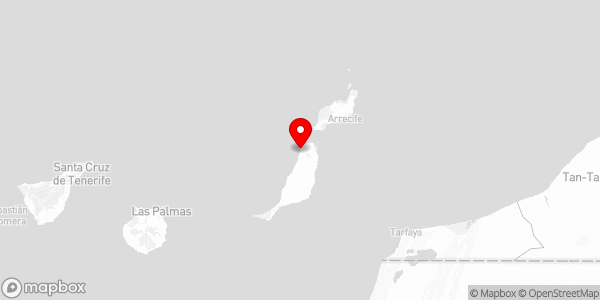
Camera: Canon EOS 77D / 9000D
Lens: Canon EF-S 10-18mm f/4.5-5.6 IS STM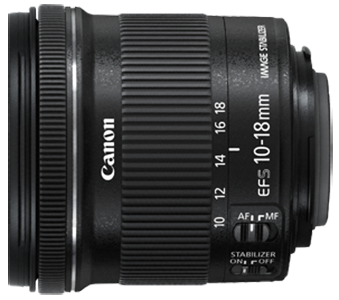
Capture Information:
Focal Length: 18.0 mm
Shutter Speed: 1/640
Aperture: f/5.6
ISO: 100
Photo Taken: April 13, 2023
High resolution
Flickr Gallery