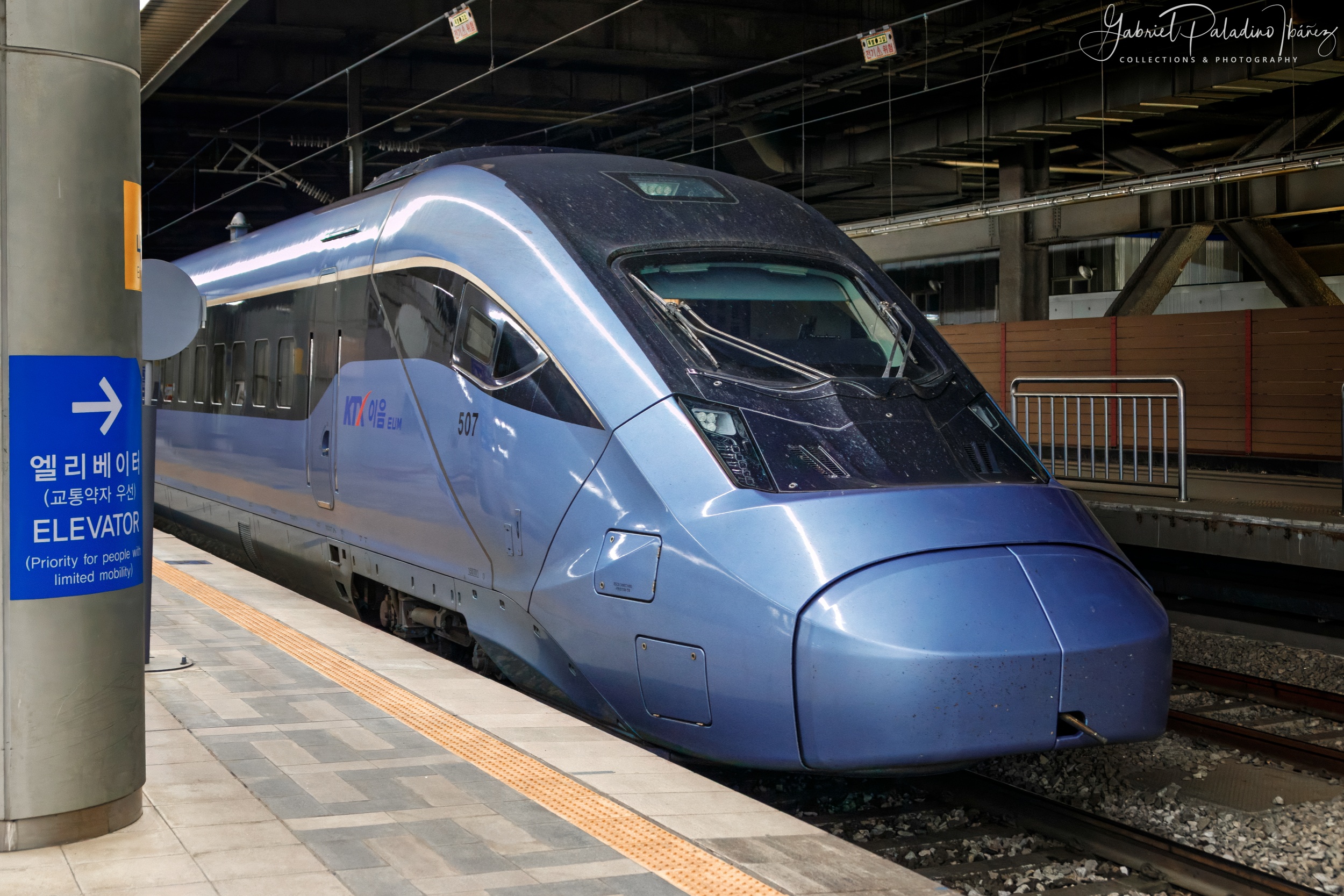
South Korea’s high-speed rail system is one of the most advanced in the world, operating under the Korea Train Express (KTX) brand. Since its launch in 2004, the country has developed several types of high-speed trains. The original KTX-I was based on French TGV technology and marked the beginning of high-speed travel between major cities like Seoul and Busan. In 2010, the KTX-Sancheon, also known as KTX-II, became the first high-speed train fully developed in Korea by Hyundai Rotem. It introduced improved safety, design, and comfort features tailored to Korean needs.
More recently, the KTX-Eum (이음), launched in 2021, was introduced as a next-generation electric multiple unit (EMU) designed specifically for semi-high-speed service on lines such as the Jungang and Donghae Lines. Unlike past KTX trains that rely on locomotive-hauled sets, the KTX-Eum uses distributed traction motors beneath each car, allowing for better acceleration and more efficient energy use. With a maximum operating speed of 260 km/h on dedicated EMU tracks (and up to 150 km/h on general conventional lines), the Eum balances high-speed performance with versatility on routes that were previously served only by slower, conventional trains.
The design of the KTX-Eum reflects a focus on passenger comfort and accessibility. Each car features low-floor entrances for easier boarding, spacious seating arrangements, and Wi-Fi connectivity throughout. Large panoramic windows enhance the travel experience along scenic stretches such as those between Cheongnyangni and Andong on the Jungang Line. Technologically, the Eum is equipped with regenerative braking systems that feed energy back into the grid, LED lighting for reduced power consumption, and advanced onboard diagnostics to minimize maintenance downtime.
One of the hallmark routes for the KTX-Eum is its service connecting Seoul with Gangneung, a line initially upgraded for the PyeongChang 2018 Winter Olympics and later optimized for regular KTX-Eum operations. By reducing the former four-hour journey to approximately two and a half hours, it has opened up tourism and business opportunities in Gangwon Province, especially during peak seasons when coastal destinations see increased foot traffic.
In 2024, Korea unveiled the KTX-Cheongryong, or “Blue Dragon,” an advanced EMU-type high-speed train capable of reaching 320 km/h, equipped with cutting-edge technology and a futuristic design. Alongside these, the SRT (Super Rapid Train), operated by SR Corporation since 2016, provides similar service using KTX-Sancheon–type rolling stock but departs from Suseo Station in Seoul, offering a private alternative to Korail-operated KTX.
Together, these developments—especially the introduction of the KTX-Eum—demonstrate Korea’s commitment to expanding high-speed rail beyond its core network, integrating urban centers with regional cities without sacrificing speed, comfort, or efficiency.
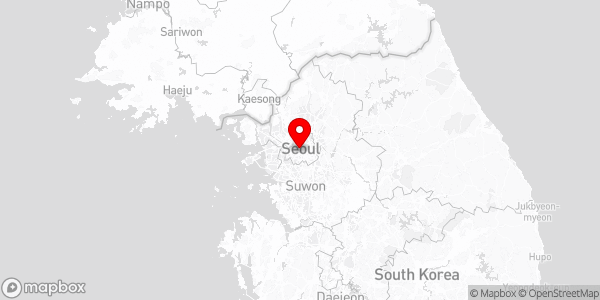
Seoul Station, South Korea
Camera: Canon EOS 800D / Rebel T7i / Kiss X9i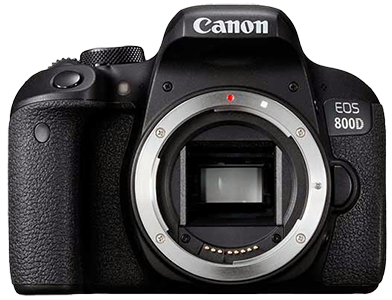
Lens: TAMRON SP 28-75mm F/2.8 Di A09E
Capture Information:
Focal Length: 28.0 mm
Shutter Speed: 1/50
Aperture: f/2.8
ISO: 1250
Photo Taken: May 02, 2025
High resolution
Flickr Gallery
Did you like this post?