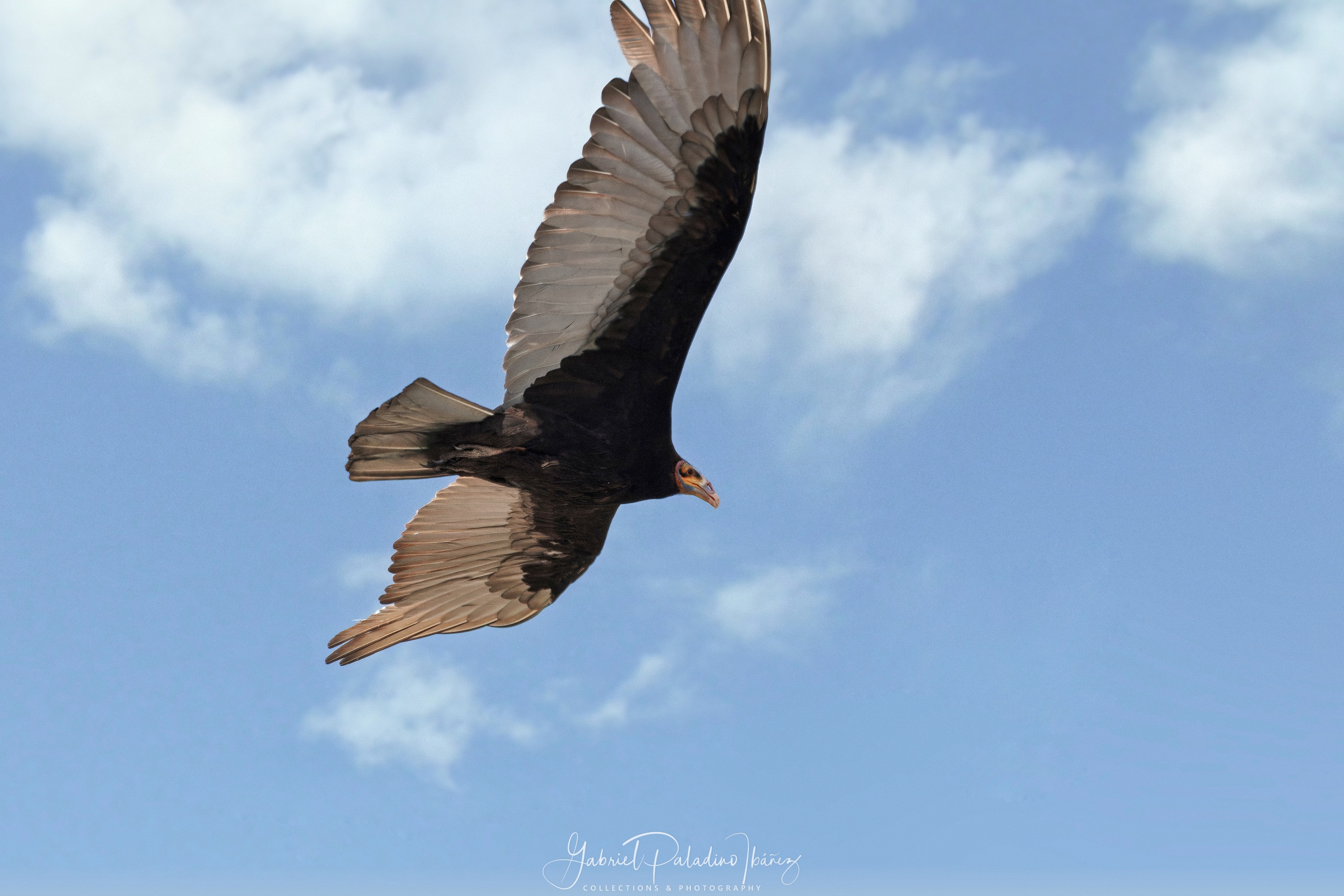
The Cathartes burrovianus, known as the Lesser Yellow-headed Vulture, is a species of vulture that occurs in Uruguay, although it is not commonly observed. It mainly inhabits open environments such as wetlands, marshes, humid grasslands, and low-lying areas, where it plays an important ecological role as a scavenger.
It is easily recognized by its bare yellow head, which is more intensely colored than in other species of the genus, and by its slightly smaller build compared to the Turkey Vulture (Cathartes aura), the most widespread vulture in the country. Its plumage is dark and fairly uniform, and it usually moves at low altitude while searching for food over open terrain.
In Uruguay it shares its range with the Turkey Vulture and the Black Vulture (Coragyps atratus), the latter being much more abundant and strongly associated with urban and human-altered environments. In contrast, the Lesser Yellow-headed Vulture shows more discreet habits and is more often found in less disturbed areas. There is another similar species, the Greater Yellow-headed Vulture (Cathartes melambrotus), which does not occur in Uruguay, being restricted to forested regions of northern South America.
• Cuervo cabeza amarilla, jote cabeza amarilla chico, jote sabanero, jote de cabeza amarilla menor, zopilote sabanero, gallinazo cabeza amarilla menor
• Lesser Yellow-headed Vulture
Scientific classification:
Kingdom: Animalia
Phylum: Chordata
Class: Aves
Order: Cathartiformes
Family: Cathartidae
Genus: Cathartes
Species: C. burrovianus
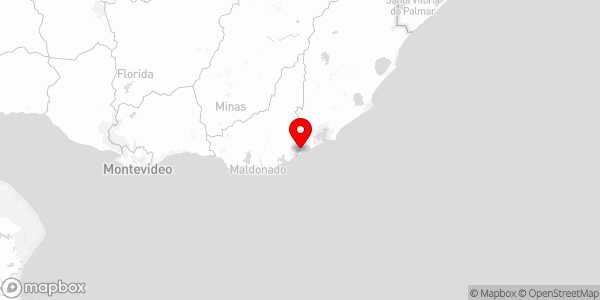
Laguna Garzón area, Maldonado–Rocha border, Uruguay
Camera: Canon EOS R7
Lens: Sigma 150-600mm F5-6.3 DG OS HSM | Contemporary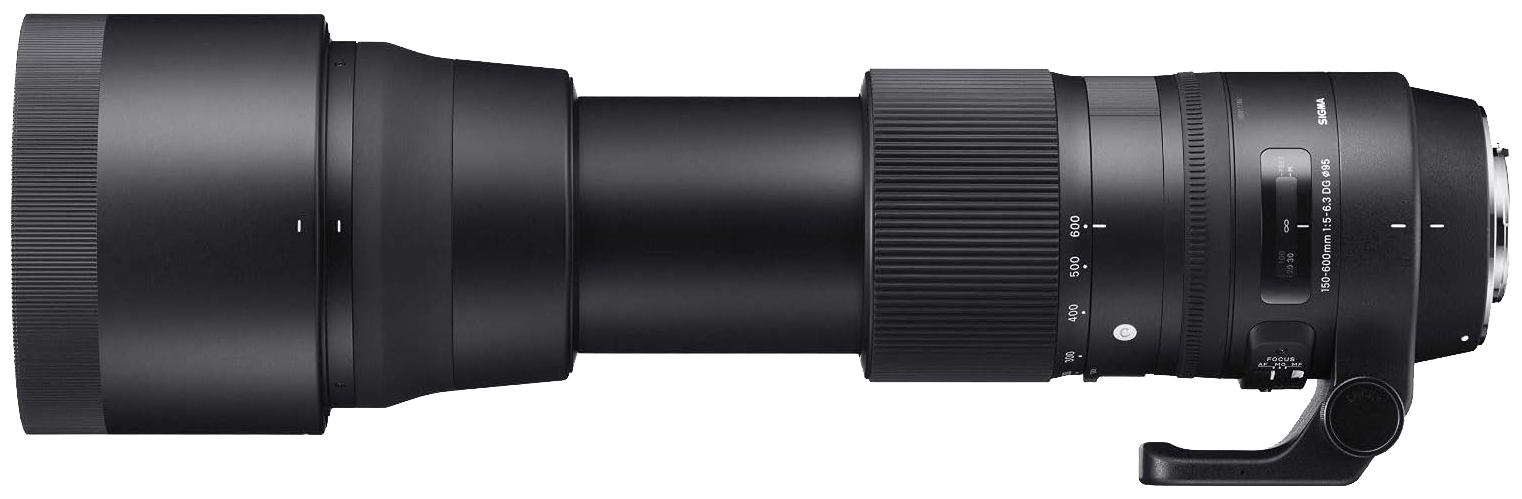
Capture Information:
Focal Length: 347.0 mm
Shutter Speed: 1/640
Aperture: f/8.0
ISO: 200
Photo Taken: October 19, 2025
High resolution
Flickr Gallery
Did you like this post?