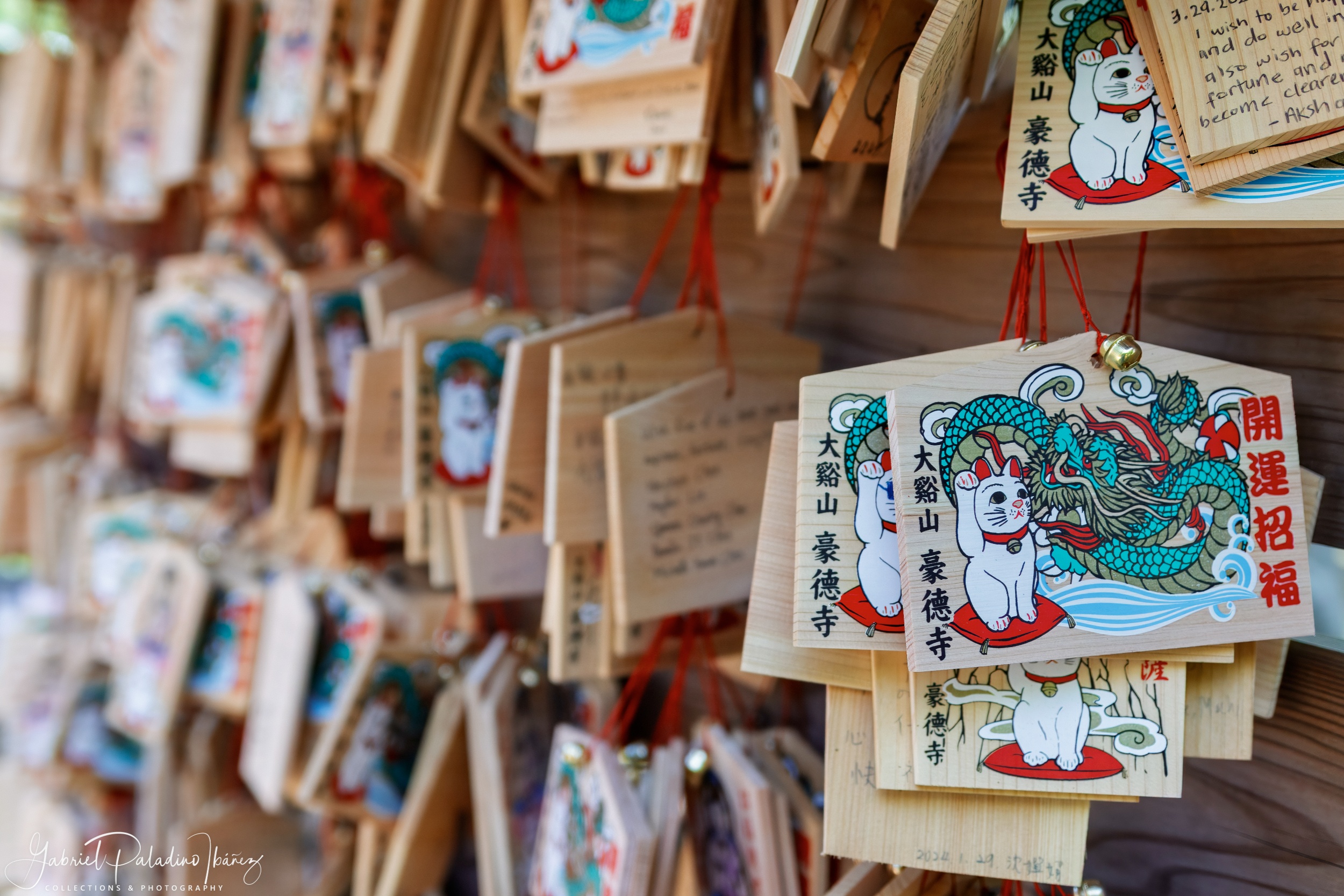
Ema (絵馬) are small wooden votive plaques where visitors write their wishes and prayers before hanging them at temples and shrines across Japan. Although the name literally means “picture of a horse,” recalling the equine offerings of ancient times, today they feature diverse designs closely tied to the places where they are displayed.
At Gotokuji Temple in Setagaya, Tokyo, the Ema take on a special character. This sanctuary is famous as the supposed birthplace of the maneki-neko, the iconic lucky cat figurine. According to tradition, in the 17th century, a cat beckoned a passing feudal lord into the temple just moments before a sudden thunderstorm, saving his life. In gratitude, the temple prospered, and ever since, thousands of lucky cat figures have gathered here as offerings.
Thus, the Ema at Gotokuji blend the ancient custom of inscribing wishes with the unique legacy of the maneki-neko, creating a space where history, faith, and symbols of good fortune quietly coexist beneath the temple’s architecture.
Camera: Canon EOS 800D / Rebel T7i / Kiss X9i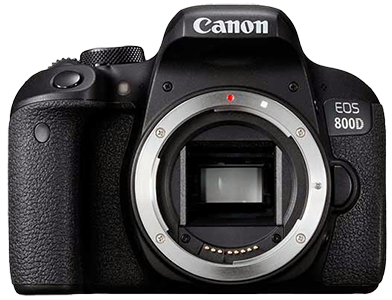
Lens: TAMRON SP 28-75mm F/2.8 Di A09E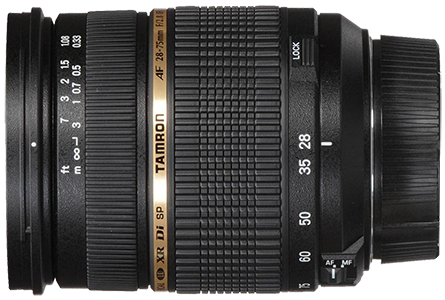
Capture Information:
Focal Length: 32.0 mm
Shutter Speed: 1/400
Aperture: f/2.8
ISO: 100
Photo Taken: April 09, 2024
High resolution
Flickr Gallery
Did you like this post?