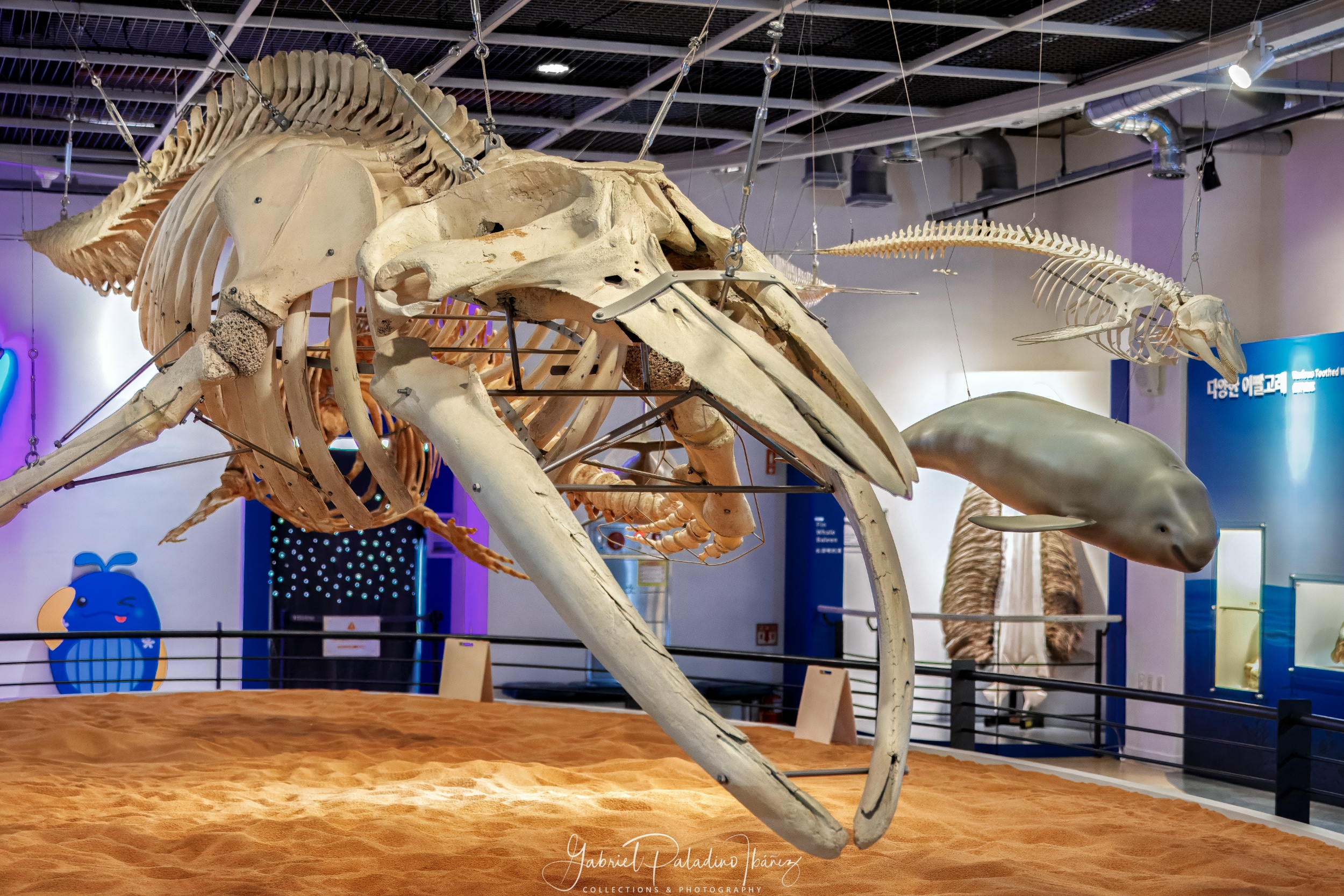
Located in Nam-gu, Ulsan, the Jangsaengpo Whale Museum (장생포 고래 박물관) is South Korea’s only institution dedicated to the history and conservation of these marine mammals. Among the specimens on display is the skeleton of a majestic humpback whale (Megaptera novaeangliae).
Its scientific name, Megaptera novaeangliae, literally translates to "large-winged New Englander." Megaptera comes from the Greek for "large wing," a direct nod to its enormous pectoral fins, which can measure up to a third of its body length. The second part of the name, novaeangliae, means "of New England," referring to the region in the North Atlantic where the species was first scientifically described.
In the background of the image, you can also see the skeleton and a model of a Finless Porpoise (Neophocaena).
This educational experience is located on the site that was once a prominent whaling port. The museum’s extensive collection, totaling approximately 1,800 artifacts, includes a variety of cetacean skeletons such as those of the Bryde’s whale, the killer whale, and the gray whale, in addition to historical whaling tools.
• Humpback whale
• Ballena jorobada
• 혹등고래
Scientific Classification:
Kingdom: Animalia
Phylum: Chordata
Class: Mammalia
Order: Artiodactyla
Family: Balaenopteridae
Genus: Megaptera
Jangsaengpo Whale Museum (장생포 고래 박물관), Nam-gu, Ulsan, South Korea
Camera: Canon EOS 800D / Rebel T7i / Kiss X9i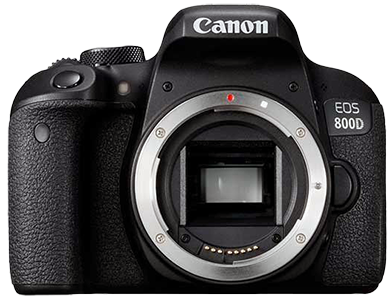
Lens: TAMRON SP 28-75mm F/2.8 Di A09E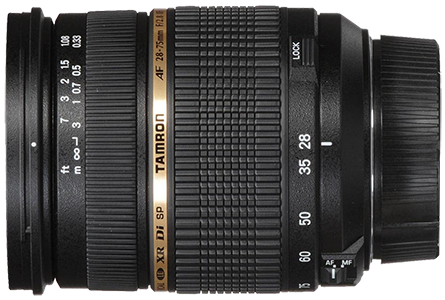
Capture Information:
Focal Length: 38.0 mm
Shutter Speed: 1/60
Aperture: f/2.8
ISO: 1600
Photo Taken: April 27, 2025
High resolution
Flickr Gallery
Did you like this post?