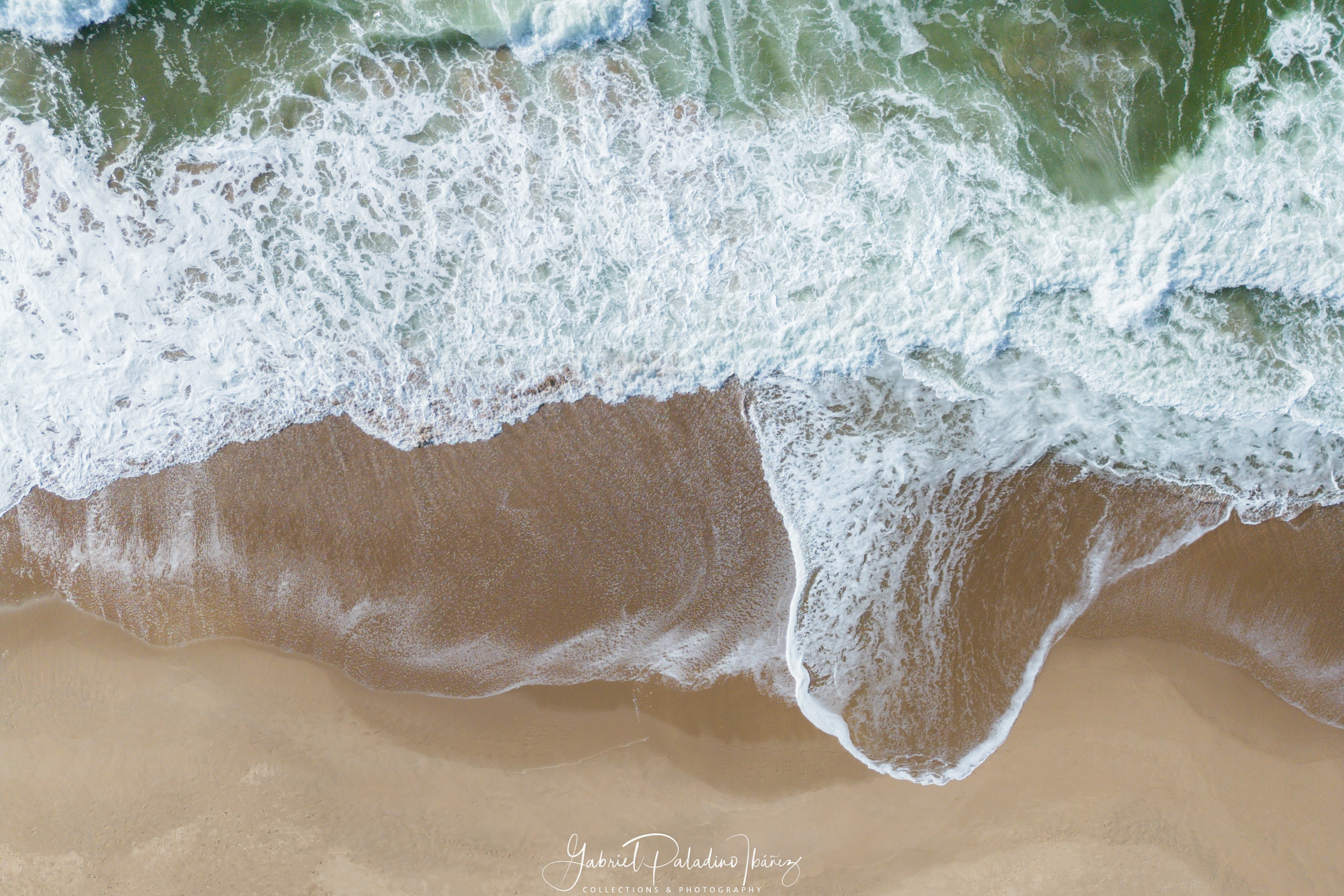
Playa de la Viuda, nestled in the rugged coastal village of Punta del Diablo, Uruguay, is a place where raw nature and haunting beauty collide. Its golden sands stretch beneath windswept dunes, framed by jagged rock formations sculpted by centuries of relentless waves. The sea here is untamed—a tempest of crashing swells and fierce currents that challenge even seasoned surfers, while whispering warnings to casual swimmers. Yet, its name carries a darker intrigue, tied not just to the ocean’s fury, but to a legend shrouded in half-truths and whispered secrets.
The origin of the beach’s enigmatic title lies in the tale of “La Viuda” (The Widow), a mysterious figure said to have arrived decades ago, cloaked in wealth and solitude. Though her identity remains elusive, locals insist she was an outsider who sought refuge in this remote corner of Uruguay when it was little more than a forgotten stretch of coast. What is certain is that she inhabited a mansion already standing long before her arrival—a structure whose origins are as murky as the Atlantic fog. Oral histories suggest the house existed as early as the 1940s, built by a wealthy landowner from a nearby town, though its true architect remains unknown. Some even speculate the walls hold secrets older than the village itself.
What the widow did claim, however, was the lighthouse beside the mansion. Legends suggest she struck a deal with authorities: in exchange for maintaining—or perhaps constructing—the beacon, she could keep her isolated home, despite its precarious location in a restricted coastal zone. This pact, real or imagined, bound her legacy to the sea’s dangers. The lighthouse, still standing today, became a symbol of her enigmatic presence, guiding ships through the same currents that now draw surfers to the beach’s infamous breaks.
The ocean’s wrath here is no accident. The Playa de la Viuda faces the open Atlantic, where colliding tides, hidden rocks, and shifting sandbars churn the waters into a maelstrom. These forces, amplified by winds howling across the dunes, sculpt both the landscape and the beach’s mythos. Locals say the widow’s spirit lingers in the salt-sprayed air, her story tangled with the maritime peril that defines the coast. Yet, when pressed for details, many reply with a guarded “de eso no se habla”—a refrain that keeps the legend alive, even as facts fade.
Today, the mansion remains, its red-roofed silhouette clinging to the rocks like a specter. New owners have come and gone, but the name “La Viuda” endures, etched into maps and lore alike. Travelers who brave the trek across the dunes encounter more than a wild seascape; they step into a paradox where human ambition meets nature’s indifference. The house, the lighthouse, and the untamed waves together weave a narrative of defiance—a reminder that some mysteries, like the sea itself, resist all attempts to tame or unravel them.
Playa de la Viuda is not just a place. It is a testament to the unresolved: a widow’s ghost, a house without a clear creator, and an ocean that roars its eternal challenge.
Photo Taken: March 16, 2025
Did you like this post?