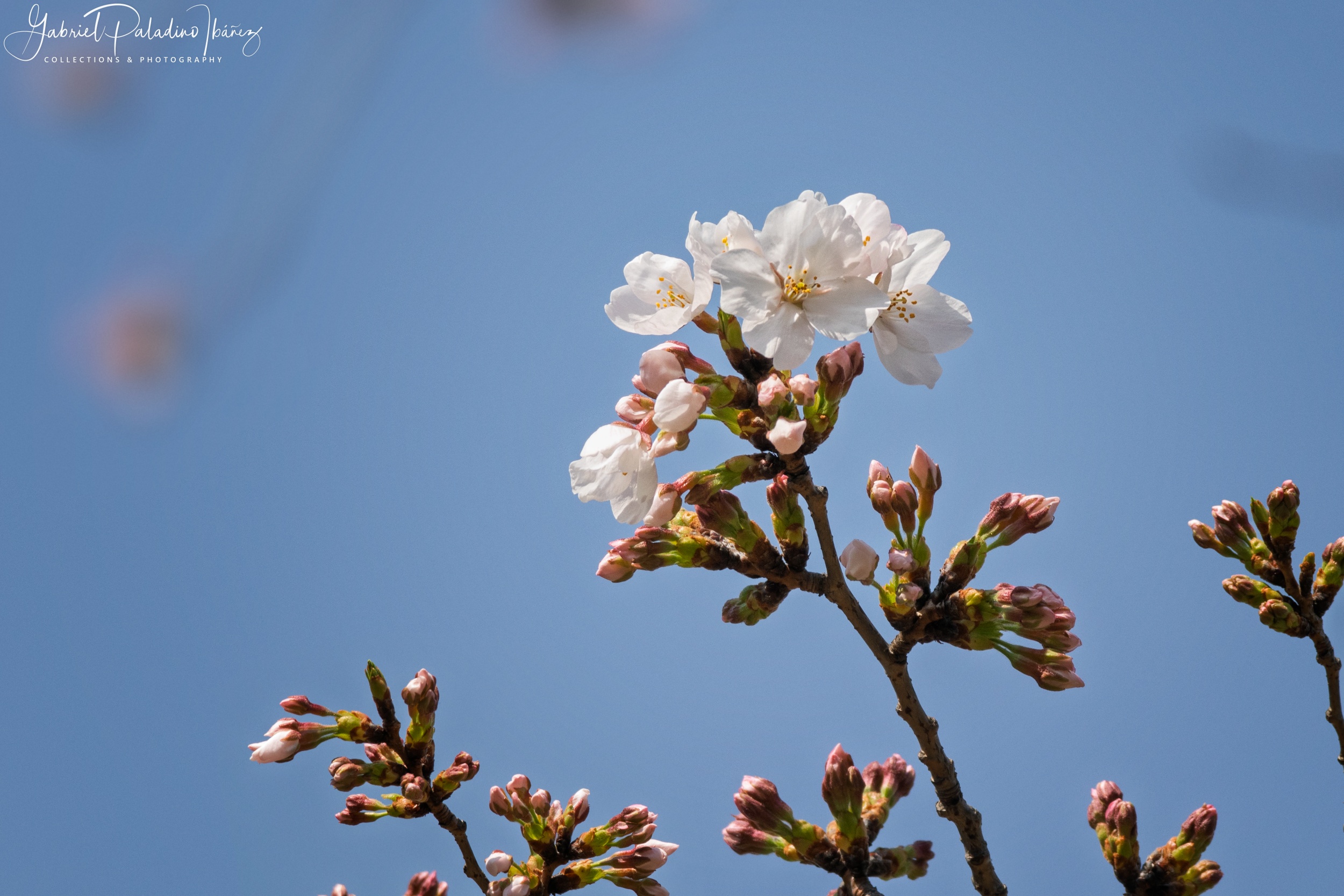
Cherry blossoms (sakura) embody profound and often contrasting meanings. Primarily, they symbolize the fleeting nature of life, as their vibrant beauty peaks briefly before the petals fall and wither. This ephemeral quality also ties them to themes of both life and death: they herald spring’s renewal yet serve as a reminder of mortality.
In Japanese culture, cherry blossoms are deeply symbolic, appearing in art, literature, and film. Historically, they mirrored the short but intense lives of samurai, who adhered to bushido (a code of honor, discipline, and fearlessness). Fallen petals were likened to warriors’ sacrifices. During WWII, kamikaze pilots painted sakura on their planes to represent dying “like falling blossoms” for the emperor.
Rooted in folk beliefs, sakura were once tied to agricultural fertility. The term sakura may derive from sa (rice paddy deity) and kura (a deity’s seat). People believed mountain spirits, later revered as rice gods, dwelled in cherry trees. This led to spring pilgrimages to worship them.
The tradition of Hanami (flower viewing) originated as rituals to pray for bountiful harvests, with offerings made beneath blooming trees. Today, it is a festive spring gathering where people picnic, sing, and celebrate under sakura.
Scientific Classification:
Kingdom: Plantae
Clades: Tracheophytes, Angiosperms, Eudicots, Rosids
Order: Rosales
Family: Rosaceae
Genus: Prunus
Subgenus: Cerasus
Iidabashi, Chiyoda, Tokyo, Japan
This photo was taken during my first days in Japan, coinciding with the peak of spring blooming — a serendipitous welcome to the country’s iconic season.
Photo Taken: March 31, 2024
High resolution
Flickr Gallery
Did you like this post?