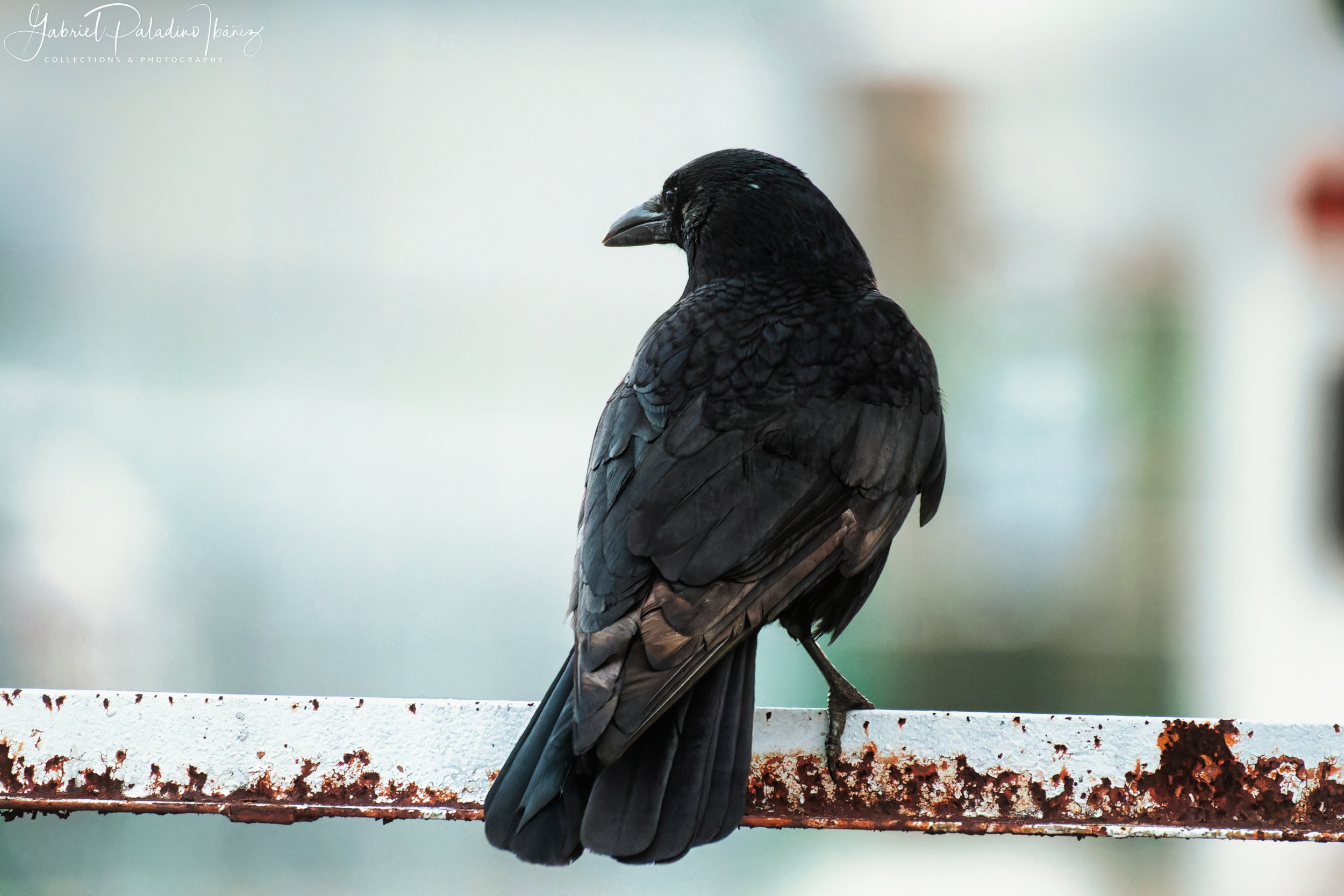
In Japan, crows (genus Corvus)—including species like the Jungle Crow (Corvus macrorhynchos) and Carrion Crow (Corvus corone)—hold a prominent place in cultural and spiritual narratives, transcending specific subspecies. Their symbolism is deeply rooted in Shinto and folklore traditions, rather than tied to a single variety.
The mythical Yatagarasu, a three-legged crow mentioned in the Nihon Shoki (720 CE), is revered as a divine guide in Shinto belief, said to have led Emperor Jimmu to victory. This archetype, depicted in artifacts like Nikko Toshogu Shrine’s carvings, represents crows broadly as messengers of the gods. Rural regions, such as Nikko’s UNESCO-protected mountains and shrines, associate crows with kami (spirits) and omens, reflecting their dual role as protectors and mysterious intermediaries.
In cities, studies by the Yamashina Institute for Ornithology document their remarkable intelligence, such as tool use and traffic adaptation. Urban crows, often a mix of species, are both criticized for noise and admired for their ingenuity. Meanwhile, in rural Nikko, their presence near ancient cedar forests and temples reinforces their timeless link to sacred landscapes.
Historical records, including Edo-period woodblock prints and shrine artifacts, further cement the crow’s enduring role in Japan’s cultural imagination, blending reverence with the pragmatism of a species thriving in both modernity and tradition.
Corvus corone orientalis
• Eastern carrion crow
• ハシボソガラス
• Corneja Negra oriental
Scientific classification:
Domain:Eukaryota
Kingdom:Animalia
Phylum:Chordata
Class:Aves
Order:Passeriformes
Family:Corvidae
Genus:Corvus
Species:C. corone
Subspecies:C. c. orientalis
Kinugawa Onsen 鬼怒川温泉, Nikkō, Tochigi, Japan
Photo Taken: April 13, 2024
Did you like this post?